Kit: Medieval Kenya Manda Swahili Lamu Manda (I7938)
Your closest Ancient populations...Your DNA matches these ancient populations based on real archaeological samples from over 150 Ancient Civilizations. Touch the buttons below to learn more about them.

Al-Andalus, also known as Muslim Iberia, was a medieval Muslim territory and cultural domain that included much of Iberia, today's Portugal and Spain. At its greatest point, it occupied northwestern Iberia and present-day southern France. It generally refers to the parts of the peninsula governed by Moors at various times from 711 to 1492. At its greatest point, the administrative units included Andalusia, Portugal/Galicia, Castile and Leon, Navarre. Aragon, Barecelona and Septimania. Rule under these kingdoms led to a rise in cultural exchange and cooperation between Muslims and Christians. Under the Caliphate of Cordboa, Al-Andalus was a beacon of learning and Cordoba became one of the leading cultura and economic centers of Europe and the Islamic world. Achievements in trigonometry, astronomy, surgery pharmacology, agronomy and other fields all came from here. For almost its entire history, Al-Andalus was in conflict with the Christian kingdoms to the north. The Alhambra palace in Granada reflects the culture and art of the last centuries of Al-Andalus.

During the classical period, the Romans interacted with and conquered parts of Mauretania, a state that covered modern Morocco, western Algeria and the Spanish cities Ceuta and Melilla. The Berber tribes there were noted as Mauri or Maurusii, which was rendered as Moors in English and many other European languages. In 24 AD the Roman historian Tacitus mentioned the Moors revolted against the Roman Empire. In 711, the Islamic Arab and Moors of Berber descent in northern Africa crossed the Strait of Gibraltar onto the Iberian Peninsula and in a series of raids conquered Visigothic Christian Hispania. Their general, Tariq ibn Ziyad, brought most of Iberia under Islamic rule in an eight-year campagin. They continued northeast across the Pyrenees Mountains but were defeated by the Franks under Charles Martel at the Battle of Tours in 732.
The Sasanian Empire existed from 224 to 651 AD, covering modern-day Iran and parts of Iraq, Armenia, Central Asia, and the Arabian Peninsula. The Sasanian Empire revived Persian glory, blending ancient traditions with new cultural advancements, especially in art and architecture. The empire boasted monumental structures like the Palace of Ctesiphon and intricate stone reliefs that showcased their impressive craftsmanship. As a military powerhouse, the Sasanians defended their borders fiercely against the Byzantine Empire while engaging in rich trade with India and China. Their state-sponsored promotion of Zoroastrianism shaped religious and cultural life, leaving a lasting impact on the region long after their fall.
The Bantu Peoples are those who speak languages deriving from Proto-Bantu language spoken 4000 years ago in West/Central Africa. During the Bantu Expansion in the first milennium BC, a rapid succession of migrations took place. The Bantu peoples assimilated or displaced earlier inhabitants such as the Pygmy or Khoisan populations in central and southern Africa. Bantu migrants would acquire cattle from their Cushitic neighbors. Bantu and Cushitic peoples interacted considerably leading to various ethnic admixtures such as the Tutsi of the African Great Lakes region. In Southern Africa, a major clan of Bantu People known as the Zulu became a powerful state in 1818 under the famous Zulu King Shaka.

Makuria was one of several Nubian kingdoms which emerged after the fall of the Kushite Kingdom - and was in fact a Christian Kingdom. As its neighbor Egypt had been conquered by Islamic armies, an Arab army invaded but was repulsed in 651 AD. Makuria seized the moment and expanded creating a powerful regional kingdom which reached its peak of prosperity during the 8th and 9th centuries. The main economy was agriculture and pottery. Makurian trade was mostly by barter so a currency was never officially adopted. In the 12th century the famous Saladin defeated the Crusaders in the Holy Land. King Moses Georgious of Makuria sent an army to pillage Aswan in Egypt prompting Saladin to dispatch his brother Turan-Shah who sent an emissary to the Nubian king. King Georgious responded by stamping a hit iron cross on the emissarys hand. Saladin left a detachment of Kurdish troops to raid Lower Nubia for the next 2 years - their commander drowned crossing the Nile resulting in the retreat of Saladins troops out of Nubia and bringing peace for another 100 years.
Genetic distance measures how close you are to a given sample.
10 means this is your ancient ancestry
20 means this is part of your ancestral link
30 means possibly related to your ancestry
Al-Andalus + Moor (25.46)
Al-Andalus + Sasanian (26.03)
Moor + Sasanian (26.03)
Bantu + Al-Andalus (26.14)
Al-Andalus + Makurian (28.54)
Your DNA matches many ancient individuals from history. This chart represents a union of all your matching samples and their own individual classification. The displayed result is your personalized ancestral breakdown.

The Sasanian Empire existed from 224 to 651 AD, covering modern-day Iran and parts of Iraq, Armenia, Central Asia, and the Arabian Peninsula. The Sasanian Empire revived Persian glory, blending ancient traditions with new cultural advancements, especially in art and architecture. The empire boasted monumental structures like the Palace of Ctesiphon and intricate stone reliefs that showcased their impressive craftsmanship. As a military powerhouse, the Sasanians defended their borders fiercely against the Byzantine Empire while engaging in rich trade with India and China. Their state-sponsored promotion of Zoroastrianism shaped religious and cultural life, leaving a lasting impact on the region long after their fall.
The Bantu Peoples are those who speak languages deriving from Proto-Bantu language spoken 4000 years ago in West/Central Africa. During the Bantu Expansion in the first milennium BC, a rapid succession of migrations took place. The Bantu peoples assimilated or displaced earlier inhabitants such as the Pygmy or Khoisan populations in central and southern Africa. Bantu migrants would acquire cattle from their Cushitic neighbors. Bantu and Cushitic peoples interacted considerably leading to various ethnic admixtures such as the Tutsi of the African Great Lakes region. In Southern Africa, a major clan of Bantu People known as the Zulu became a powerful state in 1818 under the famous Zulu King Shaka.
Makuria was one of several Nubian kingdoms which emerged after the fall of the Kushite Kingdom - and was in fact a Christian Kingdom. As its neighbor Egypt had been conquered by Islamic armies, an Arab army invaded but was repulsed in 651 AD. Makuria seized the moment and expanded creating a powerful regional kingdom which reached its peak of prosperity during the 8th and 9th centuries. The main economy was agriculture and pottery. Makurian trade was mostly by barter so a currency was never officially adopted. In the 12th century the famous Saladin defeated the Crusaders in the Holy Land. King Moses Georgious of Makuria sent an army to pillage Aswan in Egypt prompting Saladin to dispatch his brother Turan-Shah who sent an emissary to the Nubian king. King Georgious responded by stamping a hit iron cross on the emissarys hand. Saladin left a detachment of Kurdish troops to raid Lower Nubia for the next 2 years - their commander drowned crossing the Nile resulting in the retreat of Saladins troops out of Nubia and bringing peace for another 100 years.
Genetic distance measures how close you are to a given sample.
10 means this is your ancient ancestry
20 means this is part of your ancestral link
30 means possibly related to your ancestry
Al-Andalus + Moor (25.46)
Al-Andalus + Sasanian (26.03)
Moor + Sasanian (26.03)
Bantu + Al-Andalus (26.14)
Al-Andalus + Makurian (28.54)
Your DNA matches many ancient individuals from history. This chart represents a union of all your matching samples and their own individual classification. The displayed result is your personalized ancestral breakdown.
Your closest genetic modern populations...
1. Yemen (18.62)
2. Jordanian (22.64)
3. Egyptian (22.77)
4. Costanoan (23.41)
5. Turkmen (24.99)
6. Syrian (25.26)
7. Iraqi (25.48)
8. Lumbee_Tribe (25.79)
PCA Visualization
PCA (Principal Component Analysis) is a statistical procedure that lets you visualize relationships in sets of data.
It is ideally suited for visualizing genetic distance and relatedness among samples and populations.
Your DNA is the red star.
Modern populations are shown as blue and gray circles.
This plot helps you understand how you fit with modern populations.
If you are primarily from a single background you should appear near your closest populations. If you are a mix of 2+ populations you tend to appear directly between the dots.

PCA (Principal Component Analysis) is a statistical procedure that lets you visualize relationships in sets of data.
It is ideally suited for visualizing genetic distance and relatedness among samples and populations.
Your DNA is the red star.
Modern populations are shown as blue and gray circles.
This plot helps you understand how you fit with modern populations.
If you are primarily from a single background you should appear near your closest populations. If you are a mix of 2+ populations you tend to appear directly between the dots.
For all the ancient samples we have which match your kit, we have collected the mtDNA and y-DNA Haplogroups and combined them into a chart.
This chart is a personalized estimation of your Haplogroup ancestry - e.g. your Ancient Ancestors collectively may have the Haplogroups distributed as shown!
The highlighted number is a percentage of the total Haplogroup set.
This is Y-DNA distribution of all the samples which match this kit;
This chart is a personalized estimation of your Haplogroup ancestry - e.g. your Ancient Ancestors collectively may have the Haplogroups distributed as shown!
The highlighted number is a percentage of the total Haplogroup set.
This is Y-DNA distribution of all the samples which match this kit;

This is mtDNA distribution of all the samples which match this kit;

Haplogroup Analytics
A female inherits an mtDNA Haplogroup from their mother, whereas a male inherits both the mtDNA Haplogroup and a Y-chromosome Haplogroup.
Depending on the quality of each ancient sample, we can determine one or both.
A mtDNA Haplogroup specifies the all female lineage of any sample, whereas the Y-DNA Haplogroup determines the all male lineage.
Y-DNA Summary for E1b
Depending on the quality of each ancient sample, we can determine one or both.
A mtDNA Haplogroup specifies the all female lineage of any sample, whereas the Y-DNA Haplogroup determines the all male lineage.
Y-DNA Summary for E1b
 = Royal Haplogroup (tap for details)
 Green denotes Ancient Sample matches
Purple denotes Deep Dive matches (matching DNA segments)
E1b1b1a1a1 - Kenya Kokurmatakore PIA (I8904)
Archaeological Identifier: I8904In the cradle of humanity, East Africa, the remains of an ancient individual who died around 600 AD shed light on the rich tapestry of human history. This man, who lived at a time when empires rose and fell, was part of a thriving community in what is now modern Kenya. His genetic heritage, revealed through the Y-DNA haplogroup E1b1b1a1a1, indicates a lineage common in Eastern Africa, which traces back thousands of years to the early migrations and interactions of human populations across the continent.
Meanwhile, the maternal lineage, identified through the mDNA haplogroup L3a2a, speaks of a genetic story tied to the maternal ancestors of all non-Africans that left the continent approximately 60,00070,000 years ago. Remarkably, this man's direct maternal ancestors remained in Africa, painting a picture of unbroken heritage persisting through millennia.
The archaeological site in Kenya where this man was found has revealed artifacts that provide context to his existence. Among the earthen treasures are beads made of ostrich eggshells, iron tools, and pottery shards. These items suggest a community engaged in a range of domestic, artistic, and technological endeavors, reflecting a sophisticated society benefiting from the exchange of goods, ideas, and culture.
E1b1b1a1a1 - Kenya Kokurmatakore PIA (I8904)
Archaeological Identifier: I8904
In the cradle of humanity, East Africa, the remains of an ancient individual who died around 600 AD shed light on the rich tapestry of human history. This man, who lived at a time when empires rose and fell, was part of a thriving community in what is now modern Kenya. His genetic heritage, revealed through the Y-DNA haplogroup E1b1b1a1a1, indicates a lineage common in Eastern Africa, which traces back thousands of years to the early migrations and interactions of human populations across the continent.
Meanwhile, the maternal lineage, identified through the mDNA haplogroup L3a2a, speaks of a genetic story tied to the maternal ancestors of all non-Africans that left the continent approximately 60,00070,000 years ago. Remarkably, this man's direct maternal ancestors remained in Africa, painting a picture of unbroken heritage persisting through millennia.
The archaeological site in Kenya where this man was found has revealed artifacts that provide context to his existence. Among the earthen treasures are beads made of ostrich eggshells, iron tools, and pottery shards. These items suggest a community engaged in a range of domestic, artistic, and technological endeavors, reflecting a sophisticated society benefiting from the exchange of goods, ideas, and culture.
mtDNA: L3a2a
Y-DNA: E1b1b1a1a1 (V12/Z1216) ISOGG 2020
Royal haplogroup: E1b1b1a1a1c1
MATCH! Subclade distance: 2
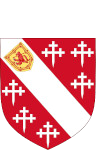
House of Howard
Thomas Howard 2nd Duke of Norfolk (1443-1524)
E1b1b1a1a1c - Kulubnarti Early Makurian Nubia (I18610)
Archaeological Identifier: I18610
In the fascinating tapestry of human history, the ancient remains of an individual from Kulubnarti, in what was Early Makurian Nubia around 750 AD, offer a profound glimpse into a civilization nestled at the crossroads of cultural exchange.
This person, a male, carried within his genetic code the echoes of vast ancestral journeys: his Y-chromosome belonged to the Haplogroup E1b1b1a1a1c, signaling ties to communities spread across Africa and the Mediterranean, while his mitochondrial DNA fell within Haplogroup U5b2b5, a lineage that whispers of ancient ties to the European continent.
Imagine this man, living along the banks of the undulating Nile, at a time when Christendom and Islam were shaping the region's political and cultural landscape. The place he called home, Kulubnarti, was a vibrant society where the Christian faith flourished amidst the influences of indigenous beliefs.
mtDNA: U5b2b5
Y-DNA: E1b1b1a1a1c (CTS693) ISOGG 2020
Royal haplogroup: E1b1b1a1a1c1b1
MATCH! Subclade distance: 3
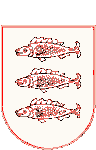
Clan Roche
Adam de Rupe (1200)
David Roche 1st Viscount Roche of Fermoy (1635)
In the fascinating tapestry of human history, the ancient remains of an individual from Kulubnarti, in what was Early Makurian Nubia around 750 AD, offer a profound glimpse into a civilization nestled at the crossroads of cultural exchange.
This person, a male, carried within his genetic code the echoes of vast ancestral journeys: his Y-chromosome belonged to the Haplogroup E1b1b1a1a1c, signaling ties to communities spread across Africa and the Mediterranean, while his mitochondrial DNA fell within Haplogroup U5b2b5, a lineage that whispers of ancient ties to the European continent.
Imagine this man, living along the banks of the undulating Nile, at a time when Christendom and Islam were shaping the region's political and cultural landscape. The place he called home, Kulubnarti, was a vibrant society where the Christian faith flourished amidst the influences of indigenous beliefs.
mtDNA: U5b2b5
Y-DNA: E1b1b1a1a1c (CTS693) ISOGG 2020
Royal haplogroup: E1b1b1a1a1c1b1
MATCH! Subclade distance: 3
Clan Roche
Adam de Rupe (1200)
David Roche 1st Viscount Roche of Fermoy (1635)
Royal haplogroup: E1b1b1a1a1c1
MATCH! Subclade distance: 1
House of Howard
Thomas Howard 2nd Duke of Norfolk (1443-1524)
mtDNA: I1c1
Y-DNA: E1b1b1a1b1a6a1 (CTS9320/V3518) ISOGG 2019
MATCH! Subclade distance: 1
House of Howard
Thomas Howard 2nd Duke of Norfolk (1443-1524)
mtDNA: I1c1
Y-DNA: E1b1b1a1b1a6a1 (CTS9320/V3518) ISOGG 2019
Royal haplogroup: E1b1b1a1b1a6a1c
MATCH! Subclade distance: 1
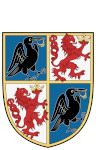
Hunyadi Dynasty
Voyk Hunyadi (1419)
John Hunyadi (1456)
Matthias Corvinus (1490)
Royal haplogroup: E1b1b1a1b1a6a1e
MATCH! Subclade distance: 1
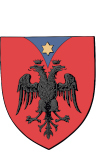
House of Kastrioti
Konstantin Kastrioti (1390)
Skanderbeg (1405-1468)
MATCH! Subclade distance: 1
Hunyadi Dynasty
Voyk Hunyadi (1419)
John Hunyadi (1456)
Matthias Corvinus (1490)
Royal haplogroup: E1b1b1a1b1a6a1e
MATCH! Subclade distance: 1
House of Kastrioti
Konstantin Kastrioti (1390)
Skanderbeg (1405-1468)
E1b 19.7%
←
Deep Dive Kenya Kokurmatakore PIA | 600 AD (I8904) | Total shared SNPs: 138.0 | Largest SNP chain: 138.0 | mtDNA: L3a2a | Y-DNA: E1b1b1a1a1 |
Deep Dive Kenya Naishi Rockshelter PN Cushitic | 600 BC (I8759) | Total shared SNPs: 214.0 | Largest SNP chain: 110.0 | mtDNA: L3x1a | Y-DNA: E1b1b1b2b |
Deep Dive Kulubnarti Makurian Nubia | 810 AD (I19015) | Total shared SNPs: 250.0 | Largest SNP chain: 132.0 | mtDNA: U5b2b5 | Y-DNA: E1b1b1a1a1c |
Deep Dive Kulubnarti Early Makurian Nubia | 750 AD (I6139) | Total shared SNPs: 119.0 | Largest SNP chain: 119.0 | mtDNA: K1a19 | Y-DNA: E1b1b1a1b2 |
Deep Dive Kulubnarti Makurian Nubia | 790 AD (I6252) | Total shared SNPs: 125.0 | Largest SNP chain: 125.0 | mtDNA: H2a | Y-DNA: E1b1b1a1a1c |
Deep Dive Kulubnarti Early Makurian Nubia | 750 AD (I18610) | Total shared SNPs: 103.0 | Largest SNP chain: 103.0 | mtDNA: U5b2b5 | Y-DNA: E1b1b1a1a1c |
J 42.4%
←
Deep Dive Medieval Coastal Kenya Mtwapa | 1600 AD (I19409) | Total shared SNPs: 121.0 | Largest SNP chain: 121.0 | mtDNA: L0a1b1a | Y-DNA: J1 |
Deep Dive Medieval Coastal Kenya Mtwapa | 1585 AD (I19381) | Total shared SNPs: 143.0 | Largest SNP chain: 143.0 | mtDNA: L2a1a | Y-DNA: J1a2a1a2d2b |
Deep Dive Medieval Coastal Kenya Mtwapa | 1585 AD (I19391) | Total shared SNPs: 109.0 | Largest SNP chain: 109.0 | mtDNA: L0a2a2a | Y-DNA: J1a2a1a2d2b |
R1a 9.89%
←
Enslaved Laborer Catoctin Iron-Working Furnace Antebellum Maryland | 1810 AD (I15342) | Genetic Distance: 13.63 | mtDNA: J1b1a1a | Y-DNA: R1a1a1 | |
Medieval Coastal Kenya Mtwapa | 1600 AD (I19416) | Genetic Distance: 16.53 | mtDNA: L3b1a1a | Y-DNA: R1a1a1 | |
Nomgonii Khundii Early Medieval Turkish Tribe | 900 AD (NOM001) | Genetic Distance: 17.34 | mtDNA: U7a3a | Y-DNA: R1a1a1b2a2b | |
Medieval Coastal Kenya Mtwapa | 1600 AD (I19420) | Genetic Distance: 18.04 | mtDNA: L3e1d1 | Y-DNA: R1a1a1 |
R1b 7.42%
←
Khwit son of Zana | 1934 AD (Khwit) | Genetic Distance: 13.94 | mtDNA: L2b1b | Y-DNA: R1b1a1b1b | |
Early Medieval Arkhangai Uyghur | 800 AD (OLN011) | Genetic Distance: 16.98 | mtDNA: B5b2a | Y-DNA: R1b1a2a2 (R-CTS1078) | |
Early Medieval Arkhangai Uyghur | 800 AD (OLN003) | Genetic Distance: 17.34 | mtDNA: T1a1 | Y-DNA: R1b1a2 (R-PF6505; R-M269) | |
Crusader Knight Tuscan / Lebanon | 1250 AD (SI-41) | Genetic Distance: 19.12 | mtDNA: V40a | Y-DNA: R1b1a1b1a1a2a | |
Early Medieval Arkhangai Uyghur | 800 AD (OLN010) | Genetic Distance: 19.37 | mtDNA: G3a3 | Y-DNA: R1b1a2a2 (R-Z2105; R-CTS1078) | |
Avar Elite Hungary Hajdunanas | 650 AD (HNJ002) | Genetic Distance: 19.59 | mtDNA: H11a | Y-DNA: R1b1 | |
Late Imperial Roman Marsiliana dAlbegna Italy | 310 AD (MAS002) | Genetic Distance: 19.74 | mtDNA: H74a | Y-DNA: R1b1a1b1b |
G 6.71%
←
Kulubnarti Makurian Nubia | 825 AD (I17473) | Genetic Distance: 10.77 | mtDNA: L1b1a2a | Y-DNA: G2a | |
Kulubnarti Makurian Nubia | 840 AD (I6334) | Genetic Distance: 13.16 | mtDNA: L1b1a2a | Y-DNA: G2a2b2a1 | |
Kulubnarti Early Makurian Nubia | 700 AD (I6337) | Genetic Distance: 14.92 | mtDNA: L5a1b | Y-DNA: G2a2b2a1 | |
Ikiztepe Black Sea Anatolia | 3300 BC (IKI019) | Genetic Distance: 17.91 | mtDNA: ? | Y-DNA: G2a2b | |
Iron Age Samsun Black Sea Coast | 120 BC (I5249) | Genetic Distance: 18.18 | mtDNA: U4a | Y-DNA: G |
A1 2.47%
←
Deep Dive Tanzania Chake Chake South-East African Hunter Gatherer | 600 AD (I1048) | Total shared SNPs: 128.0 | Largest SNP chain: 128.0 | mtDNA: L0a1'4 | Y-DNA: A1b |
Deep Dive Kenya Naivashi PN Cushitic | 300 BC (I8830) | Total shared SNPs: 268.0 | Largest SNP chain: 151.0 | mtDNA: M1a1b | Y-DNA: A1b1b2b |
Kenya Naishi Rockshelter PN Cushitic | 500 BC (I8758) | Genetic Distance: 15.83 | mtDNA: L0a2d | Y-DNA: A1b(xA1b1b2a) | |
Kenya Keringet Cave PN Cushitic | 500 BC (I8804) | Genetic Distance: 17.6 | mtDNA: L4b2a1 | Y-DNA: A1b1b2b | |
Kindoki Congo | 1750 AD (KIN003) | Genetic Distance: 19.45 | mtDNA: ? | Y-DNA: A1b | |
Roman Pompeii Vesuvius Victim Casa del Fabbro | 79 AD (f1R) | Genetic Distance: 20.31 | mtDNA: HV0a | Y-DNA: A1b1b2b | |
Enslaved Laborer Catoctin Iron-Working Furnace Antebellum Maryland | 1810 AD (I8084) | Genetic Distance: 20.58 | mtDNA: L0a1b1a | Y-DNA: A1b1 |
T 2.47%
←
Deep Dive Kulubnarti Medieval Makurian | 1140 AD (I6328) | Total shared SNPs: 106.0 | Largest SNP chain: 106.0 | mtDNA: J2a2e | Y-DNA: T1a1a |
Kulubnarti Makurian Nubia | 850 AD (I6340) | Genetic Distance: 14.96 | mtDNA: U5b2b5 | Y-DNA: T1a1a1a1 |
N 1.41%
←
Medieval Ottoman Mugla Yatagan Aegean Turkey | 1420 AD (I20573) | Genetic Distance: 17.8 | mtDNA: U4a1d | Y-DNA: N1a1a1a1a4a2 | |
Avar Period Hungary Kunszallas Fulop Jakab | 650 AD (KFJ021) | Genetic Distance: 18.36 | mtDNA: H7 | Y-DNA: N1a1a1a1a3a2 | |
Hungary Elite Khagan Ruler | 640 AD (KBper300_GE) | Genetic Distance: 19.17 | mtDNA: H1 | Y-DNA: N1a1a | |
Hungarian Conqueror Kenezlo-Fazekaszug | 900 AD (KeF2per1027_GE) | Genetic Distance: 19.42 | mtDNA: V9 | Y-DNA: N1a1a1a1a2 |
I1 1.06%
←
Hungarian Late Conqueror Magyarhomorog | 950 AD (MHper9_GE) | Genetic Distance: 16.15 | mtDNA: H | Y-DNA: I1a1a2 | |
Medieval Ottoman Mugla Yatagan Aegean Turkey | 1531 AD (I20571) | Genetic Distance: 16.31 | mtDNA: K1a12a1a | Y-DNA: I1a1b2a | |
Byzantine Roman Zeytinliada Monastery Anatolia | 800 AD (I14832) | Genetic Distance: 19.75 | mtDNA: H+195 | Y-DNA: I1a3a1 |
I2 1.76%
←
Roman Era Wels Austria | 217 AD (R10667) | Genetic Distance: 17.27 | mtDNA: ? | Y-DNA: I2a1b1b1a | |
Assyrian Period Armenia | 975 BC (R11536) | Genetic Distance: 17.94 | mtDNA: ? | Y-DNA: I2a2b | |
Late-Roman Era Montefrio Granada | 500 AD (I3575) | Genetic Distance: 19.13 | mtDNA: U5b1+16189+16192 | Y-DNA: I2a2b | |
Achaemenid Empire Saifi Lebanon | 500 BC (SFI-35) | Genetic Distance: 19.88 | mtDNA: R0a1a | Y-DNA: I2a1b | |
Late Bronze Age Armenia Noratus | 1340 BC (I19329) | Genetic Distance: 20.74 | mtDNA: T1a1 | Y-DNA: I2 |
R2 1.06%
←
Kulubnarti Makurian Nubia | 810 AD (I6254) | Genetic Distance: 13.16 | mtDNA: L0a1a1 | Y-DNA: R2a2b1b2b | |
Early-Alan Mix Tajikistan | 100 BC (I12260) | Genetic Distance: 19.06 | mtDNA: U2e1e | Y-DNA: R2a | |
Early-Alan Tajikistan | 100 BC (I12292) | Genetic Distance: 20.67 | mtDNA: U2e1e | Y-DNA: R2a |
IJ 0.70%
←
Medieval Yemen Soqotra Momi Zaflah | 900 AD (I21110) | Genetic Distance: 17.77 | mtDNA: ? | Y-DNA: IJK | |
Bronze Age Kutvolgyi-dulo Zamardi Hungary | 1000 BC (I25523) | Genetic Distance: 20.73 | mtDNA: H2a | Y-DNA: IJ |
LT 0.35%
←
Kulubnarti Makurian Nubia | 825 AD (I19140) | Genetic Distance: 8.989 | mtDNA: L5a1b | Y-DNA: LT |
U8 0.35%
←
Sasanian Period Bahrain Madinat Hamad | 612 AD (MH3_LT) | Genetic Distance: 16.13 | mtDNA: H2 | Y-DNA: U8b1a2a |
H2 0.35%
←
Achaemenid Empire Saifi Lebanon | 500 BC (SFI-39) | Genetic Distance: 16.88 | mtDNA: I1b8 | Y-DNA: H2c1a |
Dat zijn ontzettend veel verschillende locaties, wat zegt dit over nationaliteit?
These are a lot of different locations, what does that say about nationality?
Archaeological Identifier: I7939In the 16th century, along the serene coastal landscape of Lamu, on the flourishing island of Manda, a man once lived who was inextricably woven into the rich fabric of Swahili culture. His remains lie silently beneath the earth, but they tell a story of a civilization at the confluence of trade, culture, and the spread of Islam along the East African coastline.
The Swahili Coast, as this area was known, was a vibrant nexus where African inland kingdoms, Arab traders, and distant seafarers interacted, giving rise to a distinct Swahili identity bound by the rhythm of the monsoon winds and the pursuit of commerce. This man, a product of his environment, belongs to a chapter of medieval Kenyan history where cities such as Manda were bustling with the activities of merchant life, with goods travelling from as far as China and Persia.
His genetic lineage, as told by the whispers of his Y-chromosome, belongs to the J2 haplogroup, a marker that traces back to the Near East and the Caucasus region. This haplogroup suggests a story of migration and mixture, typical of the Swahili coast's cosmopolitan population. The matrilineal narrative, however, remains untold, as the mitochondrial DNA haplogroup remains undisclosed, leaving part of his ancestral journey shrouded in mystery.
mtDNA: ?
Y-DNA: J2 (M172/PF4908) ISOGG 2020
Royal haplogroup: J2a1
MATCH! Subclade distance: 2

Scottish Royalty
Earl of Eglinton (1460-1545)
Closest modern;
1. Lumbee_Tribe (16.73)
2. Puerto-Rican (28.23)
3. Miwok (34.98)
4. Tatar_Crim (36.16)
5. Costanoan (36.34)
6. V-Ashkenazi (37.07)
7. Greek_South (37.20)
8. Greek_North (37.25)
closest ancient;
Bantu + Al-Andalus (29.8)
Bantu + Moor (30.45)
Bantu + Guanches (32.55)
Bantu + Sasanian (32.87)
Al-Andalus + Moor (37.76)
Archaeological Identifier: I23551

In the annals of history, the coastal region of Kenya offers an evocative glimpse into a past where diverse cultures converged, traded, and influenced one another. Among the many stories etched in the soils of this region is that of a medieval individual whose remains not only provide a tangible connection to the bygone era but also reveal the biological heritage that weaves the fabric of human history.
This particular individual, a male who lived around the 1600s, came to rest in Mtwapa, an area that, in its heyday, was a bustling node in the Swahili coast's rich commercial network. The remnants of his existence are a testament to the genetic tapestry prevalent in this mosaic of medieval societies. His male lineage, marked by the Y-chromosome haplogroup J, points to ancestral ties extending into the Near East, indicating a complex pattern of migration and intermingling. Meanwhile, his mitochondrial DNA, falling into haplogroup L3b1a1, tells us of indigenous Sub-Saharan maternal ancestry, perhaps painting a picture of a society rich in both local traditions and foreign influences.
mtDNA: L3b1a1
Y-DNA: J (M304/PF4609) ISOGG 2017
Royal haplogroup: J2a1
MATCH! Subclade distance: 3
Scottish Royalty
Earl of Eglinton (1460-1545)
Royal haplogroup: J1
MATCH! Subclade distance: 1
J2 - Medieval Kenya Manda Swahili Lamu Manda (I7939)
The Entwined African and Asian Genetic Roots of the Medieval Peoples of the Swahili CoastArchaeological Identifier: I7939In the 16th century, along the serene coastal landscape of Lamu, on the flourishing island of Manda, a man once lived who was inextricably woven into the rich fabric of Swahili culture. His remains lie silently beneath the earth, but they tell a story of a civilization at the confluence of trade, culture, and the spread of Islam along the East African coastline.
The Swahili Coast, as this area was known, was a vibrant nexus where African inland kingdoms, Arab traders, and distant seafarers interacted, giving rise to a distinct Swahili identity bound by the rhythm of the monsoon winds and the pursuit of commerce. This man, a product of his environment, belongs to a chapter of medieval Kenyan history where cities such as Manda were bustling with the activities of merchant life, with goods travelling from as far as China and Persia.
His genetic lineage, as told by the whispers of his Y-chromosome, belongs to the J2 haplogroup, a marker that traces back to the Near East and the Caucasus region. This haplogroup suggests a story of migration and mixture, typical of the Swahili coast's cosmopolitan population. The matrilineal narrative, however, remains untold, as the mitochondrial DNA haplogroup remains undisclosed, leaving part of his ancestral journey shrouded in mystery.
mtDNA: ?
Y-DNA: J2 (M172/PF4908) ISOGG 2020
Royal haplogroup: J2a1
MATCH! Subclade distance: 2
Scottish Royalty
Earl of Eglinton (1460-1545)
Closest modern;
1. Lumbee_Tribe (16.73)
2. Puerto-Rican (28.23)
3. Miwok (34.98)
4. Tatar_Crim (36.16)
5. Costanoan (36.34)
6. V-Ashkenazi (37.07)
7. Greek_South (37.20)
8. Greek_North (37.25)
closest ancient;
Bantu + Al-Andalus (29.8)
Bantu + Moor (30.45)
Bantu + Guanches (32.55)
Bantu + Sasanian (32.87)
Al-Andalus + Moor (37.76)
Archaeological Identifier: I23551
In the annals of history, the coastal region of Kenya offers an evocative glimpse into a past where diverse cultures converged, traded, and influenced one another. Among the many stories etched in the soils of this region is that of a medieval individual whose remains not only provide a tangible connection to the bygone era but also reveal the biological heritage that weaves the fabric of human history.
This particular individual, a male who lived around the 1600s, came to rest in Mtwapa, an area that, in its heyday, was a bustling node in the Swahili coast's rich commercial network. The remnants of his existence are a testament to the genetic tapestry prevalent in this mosaic of medieval societies. His male lineage, marked by the Y-chromosome haplogroup J, points to ancestral ties extending into the Near East, indicating a complex pattern of migration and intermingling. Meanwhile, his mitochondrial DNA, falling into haplogroup L3b1a1, tells us of indigenous Sub-Saharan maternal ancestry, perhaps painting a picture of a society rich in both local traditions and foreign influences.
mtDNA: L3b1a1
Y-DNA: J (M304/PF4609) ISOGG 2017
Royal haplogroup: J2a1
MATCH! Subclade distance: 3
Scottish Royalty
Earl of Eglinton (1460-1545)
Royal haplogroup: J1
MATCH! Subclade distance: 1
Persian Royalty
Fath Ali Shah Qajar (1772-1834)
How does Scotland relate to Kenya in modern times? Not as ancestors but as strangers far far away that had nothing to do with their inception. How does Scotland relate back to Egypt? I have already proven this myth about Scota the Egyptian princes is true. Surly by my own DNA as they are all in my heritage.
mtDNA: J2a2a
Y-DNA: J1a2a1a2d2b2b2 (CTS11741/PF4847) ISOGG 2019
Royal haplogroup: J1a2a1a2d2b2b2c2a
MATCH! Subclade distance: 3

Kohanim
Aaron brother of Moses
MATCH! Subclade distance: 3
Kohanim
Aaron brother of Moses
Your Deep Dive matches (where you share DNA segments) share the following Royal Y-DNA Haplogroups
House of Howard 30.0%
←
Kenya Kokurmatakore PIA | 600 AD (I8904) | Total shared SNPs: 138.0 | Largest SNP chain: 138.0 | mtDNA: L3a2a | Y-DNA: E1b1b1a1a1 |
Kulubnarti Early Makurian Nubia Sample #12 | 750 AD (I18612) | Genetic Distance: 10.83 | mtDNA: H2a | Y-DNA: E1b1b1a1a1c | |
Kulubnarti Early Makurian Nubia | 750 AD (I18610) | Total shared SNPs: 103.0 | Largest SNP chain: 103.0 | mtDNA: U5b2b5 | Y-DNA: E1b1b1a1a1c |
Kulubnarti Makurian Nubia | 810 AD (I19015) | Total shared SNPs: 250.0 | Largest SNP chain: 132.0 | mtDNA: U5b2b5 | Y-DNA: E1b1b1a1a1c |
Kulubnarti Makurian Nubia | 790 AD (I6252) | Total shared SNPs: 125.0 | Largest SNP chain: 125.0 | mtDNA: H2a | Y-DNA: E1b1b1a1a1c |
Kulubnarti Makurian Nubia Sample #73 | 870 AD (I6336) | Genetic Distance: 14.19 | mtDNA: U5b2b5 | Y-DNA: E1b1b1a1a1c | |
Kulubnarti Early Makurian Nubia Sample #83 | 750 AD (I18514) | Genetic Distance: 14.62 | mtDNA: H2a | Y-DNA: E1b1b1a1a1c | |
Kulubnarti Makurian Nubia Sample #101 | 810 AD (I19138) | Genetic Distance: 15.55 | mtDNA: L3b1a2 | Y-DNA: E1b1b1a1a1c |
Kohanim 2.95%
←
Kulubnarti Early Makurian Nubia Sample #46 | 750 AD (I18520) | Genetic Distance: 13.34 | mtDNA: L2a1d1 | Y-DNA: J1a2a1a2d2b2b2 |
House of Manfredi 11.5%
←
Migration Period Hungary Rakoczifalva Sample #195 | 650 AD (RKF170) | Genetic Distance: 18.07 | mtDNA: H13a1a1 | Y-DNA: J2b2a1a1a1a1a1a1e | |
Avar Elite Hungary Rakoczifalva Sample #205 | 650 AD (RKC042) | Genetic Distance: 18.25 | mtDNA: H1 | Y-DNA: J2b2a1a1a1a1a1a1e |
Clan Roche 9.74%
←
Kulubnarti Early Makurian Nubia Sample #12 | 750 AD (I18612) | Genetic Distance: 10.83 | mtDNA: H2a | Y-DNA: E1b1b1a1a1c | |
Kulubnarti Early Makurian Nubia | 750 AD (I18610) | Total shared SNPs: 103.0 | Largest SNP chain: 103.0 | mtDNA: U5b2b5 | Y-DNA: E1b1b1a1a1c |
Kulubnarti Makurian Nubia | 810 AD (I19015) | Total shared SNPs: 250.0 | Largest SNP chain: 132.0 | mtDNA: U5b2b5 | Y-DNA: E1b1b1a1a1c |
Kulubnarti Makurian Nubia | 790 AD (I6252) | Total shared SNPs: 125.0 | Largest SNP chain: 125.0 | mtDNA: H2a | Y-DNA: E1b1b1a1a1c |
Ancient Egypt 21.0%
←
Enslaved Laborer Catoctin Iron-Working Furnace Antebellum Maryland Sample #554 | 1810 AD (I15341) | Genetic Distance: 20.49 | mtDNA: L2c | Y-DNA: E1b1a1 | |
You | E1b |

Ancient Egypt
(E1b1a )

Ramesses III (1217 BC-1155 BC)
Deep Dive Matches
(shared DNA segments)
Kenya Ilkek Mounds PIA (I8892)
920 AD
Total SNPs: 221.0
Sample Matches
(matching genetic signature)
Sample Match #18
Moor Cordoba Caliphate
950 AD
I7427
Scottish Royalty 1.37%
←
Medieval Kenya Manda Swahili Lamu Manda Sample #66 | 1550 AD (I7939) | Genetic Distance: 13.94 | mtDNA: ? | Y-DNA: J2 | |
Medieval Coastal Kenya Mtwapa Sample #86 | 1585 AD (I19407) | Genetic Distance: 14.71 | mtDNA: L2d1a | Y-DNA: J2 | |
Medieval Coastal Kenya Mtwapa Sample #155 | 1600 AD (I23551) | Genetic Distance: 17.38 | mtDNA: L3b1a1 | Y-DNA: J | |
Naimaa Tolgoi Late Xiongnu Mongolia Sample #191 | 50 AD (NAI001) | Genetic Distance: 18.02 | mtDNA: K1a12a1a | Y-DNA: J2a1h2 | |
Bronze Age Helmand Civilization Shahr-e Sukhteh Seistan Southeast Iran Sample #282 | 2850 BC (I11480) | Genetic Distance: 19.08 | mtDNA: ? | Y-DNA: J |
Clan Laing 1.32%
←
Guanche Tenerife Canary Islands Sample #136 | 630 AD (gun012) | Genetic Distance: 16.88 | mtDNA: U6b1a | Y-DNA: E1b1b1b1a1c | |
Guanche Canary Islands Sample #154 | 1090 AD (gun002) | Genetic Distance: 17.37 | mtDNA: H1cf | Y-DNA: E1b1b1b1a | |
Roman Era Necropolis Orientale Sitifis Algeria Sample #189 | 210 AD (R10770) | Genetic Distance: 18.0 | mtDNA: ? | Y-DNA: E1b1b1b1a | |
Roman Pompeii Vesuvius Victim House of the Golden Bracelet Sample #610 | 79 AD (I3691) | Genetic Distance: 20.66 | mtDNA: H | Y-DNA: E1b1b1b |
Origins globe time representation:
All Periods;

Modern Period;

Early Modern Period;

Mediëval age;

Dark Ages;

Roman Age;

Late Bronze Age;

Early bronze age;

Neolithic age;

Take nota that in the early and modern periods, populations seem to disappear. In fact the names had changed due to minor genetic differences.
Your Deep Dive matches (where you share DNA segments) also share the following Royal mtDNA Haplogroups
Stadtholder of Holland and Zeeland 1.15%
←Phoenician Cas Moli Ibiza
270 BC (MS10614)
Total shared SNPs: 116.0
Largest SNP chain: 116.0
mtDNA:T2b
Norwegian Royalty 1.15%
←Phoenician Cas Moli Ibiza
270 BC (MS10614)
Total shared SNPs: 116.0
Largest SNP chain: 116.0
mtDNA:T2b
Prussian Royalty 6.37%
←Phoenician Cas Moli Ibiza
270 BC (MS10614)
Total shared SNPs: 116.0
Largest SNP chain: 116.0
mtDNA:T2b
Holy Roman Empire 6.37%
←Phoenician Cas Moli Ibiza
270 BC (MS10614)
Total shared SNPs: 116.0
Largest SNP chain: 116.0
mtDNA:T2b
Danish Royalty 6.37%
←Phoenician Cas Moli Ibiza
270 BC (MS10614)
Total shared SNPs: 116.0
Largest SNP chain: 116.0
mtDNA: T2b
Scottish Royalty 3.28%
Bavarian Royalty 3.28%
German Royalty 3.28%
Spanish Royalty 8.49%
French Royalty 8.49%
Austrian Royalty 8.49%

.png)


No comments:
Post a Comment