Thursday, February 27, 2025

To all that have ears to hear and the power in hand to dare make this change; I beseech thee to act in truth.


Nederlands

De wereld heeft nu krachtige stemmen nodig. Mijn wens is de aandacht te trekken van Afrikaanse en alle andere leiders naar de feiten dat ons volk overal inheems is. Dat er nog originele koninklijke bloedlijnen bestaan in het hart van Europa. Deze kennis werd ons ontnomen dankzij slavernij. Per ongeluk stuitte ik op deze waarheden na het bestuderen van mijn eigen DNA. Deze bloedlijn, onthult de waarheid over het menselijke ras. We hebben maar 1 oorsprong. Europa is inderdaad gebouwd op de botten en het bloed van onze voorouders. Ik kan ze traceren tot 9700bce. De koninklijke dynastie begon in Duitsland, in 515 BCE is de kern van mijn voorouders hier in Europa gestart.  er is wetenschappelijk onderzoek naar gedaan. De waarheid ligt er. Het probleem is dat de geschiedenis vertellers geen kleur willen bekennen. Als ik je vertel dat het huidige Nederlandse koningshuis en ik dezelfde geslachtsnamen dragen? Dat één van  mijn voorouders hier in Nederland, terwijl ik van Kaapverdiaanse afkomst ben, de stadhouder van Holland en zeeland was. Van het geslacht Oranje Nassau? We weten wat er gebeurd was in Spanje na de Doctrine of Discovery, de pagans die waren uitgeroeid? De kinderen daarvan verscheept naar West Afrika, Kaapverdië en San Tome En Principe? Dat laatste eiland, daar is mijn moeder geboren. Uiteindelijk is ze teruggekeerd naar Nederland en heeft zij mij hier gebaard. waar mijn voorouders waren. En waar ik vandaag nog steeds als waardeloze neger word gezien. Terwijl ik een groter aandeel heb in de Koninklijke bloedlijn. Weet niemand dit. En niemand is van plan het te vertellen. Het zou al de plannen van onze vijand kunnen verprutsen. Racisme zou moeten eindigen. De vergane voorouders begraven onder een andere huidskleur, kunnen weer tot leven komen en zichzelf voorstellen aan de wereld zoals ze waren tijdens leven. Voor al het bloed dat vergoten is en alle generaties die ons zijn ontnomen. De wereld moet weten wie al inheems en reeds elite waren. Het is tijd voor het beëindigen van de verdeling. De wereld is aan ons gegeven, niet om slaaf te zijn maar om haar te beheren. Haar te behouden voor de komende generaties.


Frans

Le monde a besoin de voix fortes maintenant. Mon désir est d’attirer l’attention des dirigeants africains sur le fait que nos peuples sont partout autochtones. Il existe encore des lignées royales originales au cœur de l’Europe. Ce savoir nous a été enlevé grâce à l'esclavage. Je suis tombé par hasard sur ces vérités après avoir étudié mon propre ADN. Cette lignée révèle la vérité sur la race humaine. Nous n'avons qu'une seule origine. L’Europe a en effet été construite sur les os et le sang de nos ancêtres. Je peux les retrouver jusqu'à 9700 avant notre ère. La dynastie royale a commencé en Allemagne, en 515 avant notre ère, le noyau de mes ancêtres a commencé ici en Europe. Des recherches scientifiques ont été effectuées à ce sujet. La vérité est là. Le problème est que les conteurs d’histoire ne veulent pas révéler leurs vraies couleurs. Et si je vous disais que la famille royale néerlandaise actuelle et moi portons les mêmes noms de famille ? L'un de mes ancêtres ici aux Pays-Bas, bien que je sois d'origine capverdienne, était stathouder de Hollande et de Zélande. Du genre Oranje Nassau ? On sait ce qui s'est passé en Espagne après la Doctrine de la Découverte, les païens ont été exterminés ? Les enfants ont été expédiés en Afrique de l'Ouest, au Cap Vert et à San Tomé En Principe ? C'est sur cette dernière île que ma mère est née. Elle est finalement revenue aux Pays-Bas et m'a donné naissance ici. où étaient mes ancêtres. Et où aujourd’hui je suis encore considéré comme un nègre sans valeur. Alors que j'ai une plus grande part dans la lignée royale. Personne ne le sait. Et personne n’a l’intention de le dire. Cela pourrait ruiner tous les plans de nos ennemis. Le racisme devrait cesser. Les ancêtres fanés, enterrés sous une couleur de peau différente, peuvent revenir à la vie et se présenter au monde tels qu’ils étaient de leur vivant. Pour tout le sang qui a été versé et toutes les générations qui nous ont été enlevées. Le monde a besoin de savoir qui était déjà autochtone et qui faisait déjà partie de l’élite. Il est temps de mettre fin à la division. Le monde nous a été donné non pas pour être des esclaves mais pour le gérer. Pour la préserver pour les générations à venir.


Portugees

O mundo precisa de vozes fortes agora. O meu desejo é chamar a atenção dos líderes africanos para o facto de que o nosso povo é indígena em todo o lado. Que ainda existem linhagens reais originais no coração da Europa. Esse conhecimento nos foi tirado graças à escravidão. Eu acidentalmente me deparei com essas verdades depois de estudar meu próprio DNA. Esta linhagem revela a verdade sobre a raça humana. Temos apenas 1 origem. A Europa foi, de facto, construída sobre os ossos e o sangue dos nossos antepassados. Posso rastreá-los até 9700 AC. A dinastia real começou na Alemanha, em 515 a.C. o núcleo dos meus antepassados ​​começou aqui na Europa. pesquisas científicas foram feitas sobre isso. A verdade está aí. O problema é que os contadores de história não querem revelar a sua verdadeira face. E se eu lhe disser que a atual família real holandesa e eu temos os mesmos sobrenomes? Que, um dos meus antepassados ​​aqui na Holanda, embora eu seja descendente de Cabo Verde, foi o stadtholder da Holanda e da Zelândia. Do gênero Oranje Nassau? Sabemos o que aconteceu na Espanha depois da Doutrina dos Descobrimentos, os pagãos foram exterminados? As crianças foram enviadas para a África Ocidental, Cabo Verde e São Tomé e Príncipe? Essa última ilha é onde minha mãe nasceu. Ela finalmente voltou para a Holanda e me deu à luz aqui, onde estavam meus ancestrais. E onde hoje ainda sou visto como um negro inútil. Embora eu tenha uma participação maior na linhagem real. Ninguém sabe disso. E ninguém planeja contar. Poderia arruinar todos os planos do nosso inimigo. O racismo deveria acabar. Os ancestrais desbotados enterrados sob uma cor de pele diferente podem voltar à vida e se apresentar ao mundo como eram em vida. Por todo o sangue que foi derramado e por todas as gerações que nos foram tiradas. O mundo precisa saber quem já era indígena e quem já era da elite. É hora de acabar com a divisão. O mundo nos foi dado, não para sermos escravos, mas para administrá-lo. Para preservá-la para as gerações vindouras.


Duits


Die Welt braucht jetzt starke Stimmen. Mein Wunsch ist es, die Aufmerksamkeit der afrikanischen Staats- und Regierungschefs auf die Tatsache zu lenken, dass unser Volk überall einheimisch ist. Dass es im Herzen Europas noch ursprüngliche königliche Blutlinien gibt. Dieses Wissen wurde uns durch die Sklaverei genommen. Ich bin zufällig auf diese Wahrheiten gestoßen, nachdem ich meine eigene DNA studiert hatte. Diese Blutlinie enthüllt die Wahrheit über die Menschheit. Wir haben nur einen Ursprung. Europa wurde tatsächlich auf den Knochen und dem Blut unserer Vorfahren aufgebaut. Ich kann sie bis 9700 v. Chr. zurückverfolgen. Die königliche Dynastie begann in Deutschland, im Jahr 515 v. Chr. entstand der Kern meiner Vorfahren hier in Europa. Es wurden wissenschaftliche Untersuchungen dazu durchgeführt. Die Wahrheit ist da. Das Problem ist, dass die Geschichtserzähler nicht ihr wahres Gesicht preisgeben wollen. Was wäre, wenn ich Ihnen sagen würde, dass die damalige niederländische Königsfamilie und ich denselben Nachnamen haben? Dass einer meiner Vorfahren hier in den Niederlanden, obwohl ich kapverdischer Abstammung bin, Statthalter von Holland und Zeeland war. Aus der Gattung Oranje Nassau? Wissen wir, was in Spanien nach der Entdeckung Lehre geschah, als die Heiden ausgerottet wurden? Die Kinder wurden nach Westafrika, Kap Verde und San Tome en Principe verschifft? Auf dieser letzten Insel wurde meine Mutter geboren. Sie kehrte schließlich in die Niederlande zurück und brachte mich hier zur Welt. wo meine Vorfahren waren. Und wo ich heute noch als wertloser Nigger angesehen werde. Während ich einen größeren Anteil an der königlichen Blutlinie habe. Niemand weiß das. Und niemand hat vor, es zu erzählen. Es könnte alle Pläne unseres Feindes zunichte machen. Rassismus sollte ein Ende haben. Die verblassten Vorfahren, die unter einer anderen Hautfarbe begraben sind, können wieder zum Leben erweckt werden und sich der Welt so präsentieren, wie sie es zu Lebzeiten waren. Für all das Blut, das vergossen wurde, und für all die Generationen, die uns genommen wurden. Die Welt muss wissen, wer bereits einheimisch und wer bereits zur Elite gehört. Es ist Zeit, die Spaltung zu beenden. Die Welt wurde uns gegeben, nicht um Sklaven zu sein, sondern um sie zu verwalten. Um sie für kommende Generationen zu bewahren.


Russisch

Миру сейчас нужны сильные голоса. Мое желание состоит в том, чтобы привлечь внимание африканских и всех других лидеров к тому факту, что наши люди повсюду являются коренными. Что в самом сердце Европы до сих пор сохранились оригинальные королевские родословные. Эти знания были отняты у нас благодаря рабству. Я случайно наткнулся на эти истины после изучения собственной ДНК. Эта родословная раскрывает правду о человеческой расе. У нас есть только 1 источник. Европа действительно была построена на костях и крови наших предков. Я могу проследить их до 9700 года до нашей эры. Королевская династия зародилась в Германии, в 515 году до нашей эры ядро ​​моих предков зародилось здесь, в Европе. по этому поводу были проведены научные исследования. Истина там. Проблема в том, что рассказчики истории не хотят раскрывать свое истинное лицо. Что, если я скажу вам, что у нынешней голландской королевской семьи и у меня одинаковые фамилии? Один из моих предков здесь, в Нидерландах, хотя я и выходец из Кабо-Верде, был штатгальтером Голландии и Зеландии. Из рода Оранже-Нассау? Знаем, что произошло в Испании после Учения Открытия, когда язычники были истреблены? Детей отправили в Западную Африку, Кабо-Верде и Сан-Томе-ан-Принсипи? На этом последнем острове родилась моя мать. В конце концов она вернулась в Нидерланды и родила меня здесь. где были мои предки. И сегодня меня все еще считают никчемным негром. Хотя у меня большая доля в королевской родословной. Никто этого не знает. И никто не собирается рассказывать. Это может разрушить все планы нашего врага. Расизму следует положить конец. Увядшие предки, похороненные под другим цветом кожи, могут вернуться к жизни и предстать перед миром такими, какими они были при жизни. За всю пролитую кровь и за все поколения, отнятые у нас. Миру необходимо знать, кто уже был коренным, а кто уже элитой. Пришло время положить конец разделению. Мир дан нам не для того, чтобы быть рабами, а для того, чтобы управлять им. Чтобы сохранить ее для будущих поколений.


Spaans

El mundo necesita voces fuertes ahora. Mi deseo es llamar la atención de los dirigentes africanos y de todos los demás dirigentes sobre el hecho de que nuestro pueblo es indígena en todas partes. Que todavía existen linajes reales originales en el corazón de Europa. Este conocimiento nos fue arrebatado gracias a la esclavitud. Accidentalmente me topé con estas verdades después de estudiar mi propio ADN. Este linaje revela la verdad sobre la raza humana. Solo tenemos 1 origen. De hecho, Europa se construyó sobre los huesos y la sangre de nuestros antepasados. Puedo rastrearlos hasta el año 9700 a.C. La dinastía real comenzó en Alemania, en 515 a. C. el núcleo de mis antepasados ​​comenzó aquí en Europa. Se han realizado investigaciones científicas al respecto. La verdad está ahí. El problema es que los narradores de la historia no quieren revelar su verdadera cara. ¿Qué pasa si te digo que la actual familia real holandesa y yo tenemos los mismos apellidos? Que uno de mis antepasados ​​aquí en los Países Bajos, aunque soy de ascendencia caboverdiana, fue el estatúder de Holanda y Zelanda. ¿Del género Oranje Nassau? ¿Sabemos qué pasó en España después de la Doctrina del Descubrimiento, los paganos fueron exterminados? ¿Los niños fueron enviados a África occidental, Cabo Verde y Santo Tomé y Príncipe? Esa última isla es donde nació mi madre. Finalmente regresó a los Países Bajos y me dio a luz aquí. donde estaban mis antepasados. Y donde hoy todavía me ven como un negro inútil. Mientras que tengo una mayor participación en el linaje real. Nadie lo sabe. Y nadie piensa decírselo. Podría arruinar todos los planes de nuestro enemigo. El racismo debería terminar. Los ancestros descoloridos enterrados bajo un color de piel diferente pueden volver a la vida y presentarse al mundo como eran cuando estaban vivos. Por toda la sangre que ha sido derramada y todas las generaciones que nos han sido arrebatadas. El mundo necesita saber quiénes ya eran indígenas y quiénes ya eran de élite. Es hora de poner fin a la división. El mundo nos ha sido dado, no para que seamos esclavos sino para que lo administremos. Para preservarla para las generaciones venideras.


All of these pie charts represent my ancient heritage according to those samples found. There are genetic matches every where so all  my ancestors combined are represented in different charts mirroring archaeological DNA dig sites.


"Abstract"
"The early Iron Age (800 to 450 BCE) in France, Germany and Switzerland, known as the ‘West-Hallstattkreis’, stands out as featuring the earliest evidence for supra-regional organization north of the Alps. Often referred to as ‘early Celtic’, suggesting tentative connections to later cultural phenomena, its societal and population structure remain enigmatic. Here we present genomic and isotope data from 31 individuals from this context in southern Germany, dating between 616 and 200 BCE. We identify multiple biologically related groups spanning three elite burials as far as 100 km apart, supported by trans-regional individual mobility inferred from isotope data. These include a close biological relationship between two of the richest burial mounds of the Hallstatt culture. Bayesian modelling points to an avuncular relationship between the two individuals, which may suggest a practice of matrilineal dynastic succession in early Celtic elites. We show that their ancestry is shared on a broad geographic scale from Iberia throughout Central-Eastern Europe, undergoing a decline after the late Iron Age (450 BCE to ~50 CE)."

This article directly relates to this site;

Kit: Elite Prince Celtic Germany Eberdingen-Hochdorf Biegel (HOC001)

"To all that have ears to hear and the power in hand to dare make this change; I beseech thee to act in truth."


Neusa

Encarnação

Andrade

Lopes

Do Ressureçao


We have been hidden in the archives way too long.


                            Bronze  Buste of "Black Venus" France

Tuesday, February 25, 2025

I found(ed) Rome and it's inhabitants

There is no known number to my Ethnicity for now I remain from the Carbon Copy that engulfs all color and light.

Kit: Hellenic Ottoman (MA2196)
Your closest Ancient populations.


Your DNA matches these ancient populations based on real archaeological samples from over 150 Ancient Civilizations.

Seleucid Empire, Ottomans, Pontic Empire, Romans, Gepids


Following the death of Alexander the Great, the Macedonian Empire was divided. Alexander's infantry general Seleucus I Nicator founded the Seleucid Empire which included much of Alexander's near eastern territories. At the peak, this included central Anatolia, Persia, the Levant, Mesopotamia, Kuwait, Afghanistan and parts of Pakistan and Turkmenistan. The Seleucid Empire was a major center of Hellenistic culture and maintained Greek customs with a Greek elite dominating urban areas. The cities were populated by Greeks who re-enforced largescale immigration from Greece. The Empire tried to expand further but was thwarted by the Roman Republic and its Greek allies leading to defeat at the Battle of Magnesia. The Seleucids were forced to pay costly war reparations and give up territories west of the Taurus Mountains. The Seleucid kings continued to rule until invasion by the Armenian king Tigranes the Great in 83 BC and their ultimate overthrow by the famous Roman general Pompey in 63 BC.

The Ottoman Empire grew to be one of the most powerful states in the world during the 15th and 16th centuries. At the height the empire encompassed most of southeastern Europe to the gates of Vienna, including present-day Hungary, the Balkan region, Greece, parts of Ukraine and the Middle East, North Africa and large parts of the Arabian Peninsula. The term Ottoman is a dynastic appelation derived from Osman I, the nomadic Turkmen chief who founded both the dynasty and the empire in 1300. The Ottoman period spanned more than 600 years and came to an end only in 1922 when it was replaced by the Turkish Republic and various successor states in southeastern Europe and the Middle East.


The Pontic Empire centered around the Black Sea and was founded by the Persian Mithridatic dynasty with a mixed population of Hellenic Greek settlers and people from Persia and the Steppes. The kingdom was Hellenized and the offical language was Greek. It was divided into two distinct areas - the coastal region and the Pontic interior. The coastal region bordering the Black Sea was separated from the mountainous inland by the Pontic Alps. The coastal regions were dominated by Greek cities such as Amastris and Sinbope which became the Pontic capital. The coast was rich intimber, fishing and olives, and the region also had rich supplies of iron, silver, copper and other metals. The Hellenic coastal regions focused on sea trade, whereas the interior was ruled by Iranian aristocracy that had a history back to the Persian Empire. The gods of the kingdom were a mix of Persian and Greek deities including the Persian Ahuramazda, Apollo and Mithras. The Pontic culture was a synthesis between Iranian, Greek and Anatolian elements. Eventually pirate activity increased in the Eastern Mediterranean enabling the Roman General Pompey to invade. The western half and Greek coastal cities were annexed by Rome directly, whereas the interior and eastern kingdom remained an independent client kingdom of Rome.


The founding of mighty Rome starts with the story of Romulus and Remus. Whether they were suckled by a she-wolf as infants or descended from the Trojan War hero Aeneas, the Latins who settled Rome had their crude dwellings tranformed into a true city by their Etruscan overlords. The Etruscans were master builders who gave Rome its architecture, gods, and gladiators. After overthrowing their conquerors, the Roman Republic expanded quickly to incorporate the Latins, Etruscans (originally from Anatolia), Greek settlers to the south and Gauls to the north. Republic gave way to Empire and after a thousand years it was time for Rome to face its end. Although numerous invaders arrived on the scene as the empire weakened and crumbled, the wars with the Ostrogoths from 535-554 AD had a lasting impact that left Italy devastated and depopulated.


Gepids were a Germanic tribe realted to the Goths, described as tall and blond-haired. The Gepids fought alongside the Huns against the Roman Empire around 440 AD. Later the Gepids founded a kingdom known as Gepidia in the eastern regions fo the Carpathian basin. They helped form a coalition to fight the Ostrogoths who ruled Pannonia. They reached their peak in 537 and settled further near modern Serbia. In 546 the Byzantines allied with the Lombards and crushed the Gepids. Any remnants were defeated by the Avars in 567 who took over all the former Gepid lands.


Seleucid + Ottoman (6.846)
Ottoman + Pontic (8.088)
Roman + Ottoman (9.484)
Ottoman + Gepid (9.595)
Pontic + Gepid (10.19)
Seleucid (13.69)
Ottoman (14.39)
Pontic (16.17)
Roman (18.96)
Gepid (19.19)

What do these numbers mean?
Genetic distance measures how close you are to a given sample.

10 means this is your ancient ancestry
20 means this is part of your ancestral link
30 means possibly related to your ancestry


Ancient Sample Breakdown:


What is my Ancient Sample Breakdown?
Your DNA matches many ancient individuals from history. This chart represents a union of all your matching samples and their own individual classification. The displayed result is your personalized ancestral breakdown.

You have ancient relatives! (you share identified DNA segments)

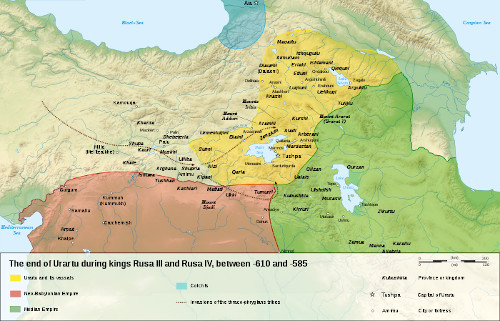
Iron Age Armenia Lorid Berd Cemetery 663 BC I13949

mtDNA: T1Y-DNA: J1 (L255)
Shared DNA:  (Sample Quality: 2)
2 SNP chains (min. 60 SNPs) / 82.38 cM
Largest chain: 143 SNPs / 47.19 cM

Your raw DNA is 100 % closer than other matching users
Chr. 8 143 SNPs
Chr. 12 105 SNPs

In the enigmatic embrace of the Iron Age, nestled within the verdant highlands of Armenia, a remarkable discovery was madea grave hailing from around the 7th century BC that brought to light the remains of an individual who provides us with an insightful look into a time and place that often whispers secrets through the soil of ancient burial grounds.

Lying at eternal rest within the historic confines of the Lorid Berd Cemetery, this male who lived and died over two-and-a-half millennia ago carried within his very bones the code to his ancestral lineage. His Y-DNA belongs to Haplogroup J1, indicative of Middle Eastern origins that stretch deep into the Neolithic period, while his mitochondrial DNA, assigned to Haplogroup T1, tells us of maternal connections that again likely have origins tracing back to the Fertile Crescent.

PCA Analysis 

Closest ancient;
Nairi + Parthian (15.69)
Nairi (16.71)
Nairi + Urartu (16.79)
Nairi + Safavid (16.91)
Parthian + Urartu (17.02)
Parthian + Alan (18.08)
Urartu (19.9)


Nairi ConfederationThe Nairi were a Late Bronze Age confederation located in the Armenian highlands and Pontic region of Asia Minor. They were in conflict with the Hittite Empire in the 14th century. They were a force strong enough to contend with both Assyria and Hatti. The Nairi lands were inhabited by fierce tribal groups divided into a number of principalities. First mentioned by the Assyrian king Tukulti-Ninurta who claimed to have defeated forty of their kings, they are also documented by Hittite texts as likely corresponding to the Azzi confederation. In 882 BC, the Assyrian king Assurnasirbal II invaded Nairi which at the time had 4 known regions: Bit-Zamani, Shubru, Nirdun and Urumu/Nirbu. There was a clear seperation of entities between the Urartu and Nairi - however over time the Urartu conquered so much of the Nairi lands that the Urartian kings decided Nairi was a suitable name for the kingdom they ruled. Over time the Nairi peoples as a seperate group disappeared and by the 7th century BC the term referred simply to a province of Assyria.


The Kingdom of Urartu was a civilization which developed in the Bronze Age of ancient Armenia, Eastern Turkey and northwestern Iran. The kingdom boasted a strong military and had many skilled metalworkers. The name Urartu comes from the Assyrian word for the kingdom and signifies a high place. They were known to Babylonians as Uruatri and the Hewbrews as Ararat. They began as a confederation of kingdoms which had developed from the 14h to 13th centuries BC. They prospered on an extensive fertile plateau full of crops including wheat, barley, millet, rye, sesame and flax. The Urartu also managed livestock and were skilled winemakers - in fact they built a 51km canal for vineyards! The government was a monarchy with the fortress capital Tushpa with a population as high as 50,000 at its peak.


Closest modern;
1. Kumyk (21.20)
2. Lezgin (22.52)
3. Tabassaran (22.63)
4. Azeri (23.51)
5. Armenian (24.25)
6. Kurdish (24.38)
7. Turkish (24.62)
8. Iranian (25.34)


Haplogroup Analytics
A female inherits an mtDNA haplogroup from their mother, whereas a male inherits both the mtDNA haplogroup and a Y-chromosome haplogroup.
Depending on the quality of each ancient sample, we can determine one or both.
A mtDNA haplogroup specifies the all female lineage of any sample, whereas the Y-DNA haplogroup determines the all male lineage.


For all the ancient samples we have which match your kit, we have collected the mtDNA and y-DNA haplogroups and combined them into a chart.
This chart is a personalized estimation of your haplogroup ancestry - e.g. your Ancient Ancestors collectively may have the haplogroups distributed as shown!
The highlighted number is a percentage of the total haplogroup set.

This is Y-DNA distribution of all the samples which match this kit;


Haplogroup 93 - Late Kushan Empire Central Asia     (L8005)
Archaeological Identifier: L8005

mtDNA: 111
Y-DNA: 93

Closest modern;
1. Nogai (18.09)
2. Tatar_Crim (20.22)
3. Tatar_Lithuania (23.15)
4. Tatar (23.71)
5. Serbian (24.10)
6. Romanian (25.19)
7. Tadjik (25.22)
8. Macedonian (25.94)

Closest ancient;
Sarmatian + Gaul (11.78)
Sarmatian (12.64)
Sarmatian + Pontic (12.64)
Sarmatian + Cimmerian (13.17)
Gaul + Cimmerian (13.44)
Pontic + Cimmerian (15.05)
Cimmerian (16.9)

In the expanse of what once was the Late Kushan Empire, the whispers of an ancient individual speak to us through the sands of time. Around the second century AD, when the Kushan domain stretched with grandeur across Central Asia, a man, part of the tapestry of a diverse and cosmopolitan society, drew his last breath. His remains offer us a unique window into a past that still captivates the imagination, holding stories etched in bone and earth.
This man, who lived and died at the zenith of the Kushan's power, was interred with a certain reverence, a testimony to the complex funerary practices of his culture. His remains, robust with the tales of bygone eras, were discovered in an archaeological endeavor that peeled back the layers of history with careful hands. Through the marvels of modern science, his Y-DNA haplogroup was revealed to be G3, an ancient lineage that traces back to early human migrations, while his mtDNA put him in haplogroup U7, suggesting a maternal line that spoke of local legacies and migrations across the steppes of Asia.
Around him, artifacts whispered of his world-coins that jingled in the markets of the Kushan cities, where Bactrian, Greek, and Prakrit tongues mingled. Pottery shards painted with tales, perhaps carrying wine that warmed the souls in the cold desert nights, and textiles that swirled with colors, traded along the Silk Road. These objects, mundane yet magical, are relics of a life once lived. They are shards of a daily existence that was as vibrant and tangible as our own.

This is mtDNA distribution of all the samples which match this kit;


Your Y-DNA Royalty Breakdown 

Your Deep Dive matches (where you share DNA segments) share the following Royal Y-DNA haplogroups

House of Manfredi 8.78%

Migration Period Hungary Rakoczifalva Sample #3
650 AD (RKF032) Genetic Distance: 9.586
mtDNA: J1c9
Y-DNA: J2b2a1a1a1a1a1a1e

Avar Elite Hungary Rakoczifalva Sample #4
650 AD (RKC011)
Genetic Distance: 9.792
mtDNA: J1c5d
Y-DNA: J2b2a1a1a1a1a1a1e

Migration Period Hungary Rakoczifalva Sample #5
650 AD (RKF031)
Genetic Distance: 9.988
mtDNA:M8a2b
Y-DNA:J2b2a1a1a1a1a1a1e

Avar Elite Hungary Rakoczifalva Sample #7
650 AD (RKC043)
Genetic Distance: 10.39
mtDNA:J1c5d
Y-DNA:J2b2a1a1a1a1a1a1e

Migration Period Hungary Rakoczifalva Sample #8
650 AD (RKF170)
Genetic Distance: 10.59
mtDNA:H13a1a1
Y-DNA:J2b2a1a1a1a1a1a1e

Migration Period Hungary Rakoczifalva Sample #10
650 AD (RKF141)
Genetic Distance: 10.79
mtDNA:M8a2b
Y-DNA:J2b2a1a1a1a1a1a1e

House of Gontaut 6.24%

Uguumur Uul Xiongnu Period Mongolia
50 AD (UGU006)
Total shared SNPs: 444.0
Largest SNP chain: 123.0
mtDNA:Z1a
Y-DNA:J1a2a1a2d2b2b2c4b

Imperial Rome Cluana Ancona 165 AD (R835)
Total shared SNPs: 1162.0
Largest SNP chain: 141.0
mtDNA:H2a5
Y-DNA:J1a2a1a2d2b2b2c

Kohanim 4.73% 


Migration Period Hungary Rakoczifalva Sample #1
650 AD (RKF192)
Genetic Distance: 9.495
mtDNA:H26
Y-DNA:J1a2a1a2d2b2b2

Imperial Rome Cluana Ancona
165 AD (R835)
Total shared SNPs: 1162.0
Largest SNP chain: 141.0
mtDNA:H2a5
Y-DNA:J1a2a1a2d2b2b2c

Clan Finney 2.91%

Scythian Nomadic Rich Grave Psiochyn Kharkiv Sample #347
400 BC (UKR132)
Genetic Distance: 22.01
mtDNA:X2f
Y-DNA:R1b1a1b1

Carthaginian Sardinia Villamar
250 BC (VIL011)
Total shared SNPs: 116.0
Largest SNP chain: 116.0
mtDNA:K1a3a
Y-DNA:R1b1a1b1a2

English Royalty 2.03%

Avar Elite Hungary Hajdunanas Sample #22
650 AD (HNJ002)
Genetic Distance: 11.72
mtDNA:H11a
Y-DNA:R1b1

Iron Age Russia
300 BC (Rise492)
Total shared SNPs: 1951.0
Largest SNP chain: 187.0
mtDNA:?
Y-DNA:R1

Urartian Kingdom Teishebani Karmir Blur Armenia Sample #152
850 BC (I3892)
Genetic Distance: 18.83
mtDNA:K1
Y-DNA:G2b2

Bronze Age Boatbridge Quarry South Lanarkshire Scotland Sample #182
2250 BC (I5473)
Genetic Distance: 19.43
mtDNA:U5b1
Y-DNA:R1b1a1b1a1a2c1a

Bronze Age Wehringen Sample #186
1972 BC (WEHR_1474)
Genetic Distance: 19.49
mtDNA:V
Y-DNA:R1b1a1b1a1a

Post Roman Empire South Tyrol Malles Burgusio Santo Stefano Sample #192
450 AD (2428a)
Genetic Distance: 19.58
mtDNA:H5
Y-DNA:R1

Crusader Knight Tuscan / Lebanon Sample #251
1250 AD (SI-53)
Genetic Distance: 20.53
mtDNA:T2w
Y-DNA:R1b1a1b1a1a2c1b

Austrian Royalty 1.52%

Avar Elite Hungary Hajdunanas Sample #22
650 AD (HNJ002)
Genetic Distance: 11.72
mtDNA:H11a
Y-DNA:R1b1

Iron Age Russia
300 BC (Rise492)
Total shared SNPs: 1951.0
Largest SNP chain: 187.0
mtDNA:?
Y-DNA:R1

House of Lippe Detmold 1.47% 

Clan Armstrong 1.47%

Crusader Knight Tuscan / Lebanon Sample #100
1250 AD (SI-41)
Genetic Distance: 17.17
mtDNA:V40a
Y-DNA:R1b1a1b1a1a2a

Bronze Age Wehringen Sample #186
1972 BC (WEHR_1474)
Genetic Distance: 19.49
mtDNA:V
Y-DNA:R1b1a1b1a1a


Clan Stewart

(R1b1a1b1a1a2c1a1a1a1a1b )

Clan LogoClan Tartan  Virescit Vulnere Virtus
This Latin motto translates to Courage grows strong at a wound. It suggests that the Clan Stewart grows stronger in the face of adversity and challenges, much as a person's resolve might solidify when they are wounded or under threat.
You share DNA with the dynasty associated with this castle ...

Y-DNA Matches;

 
Scottish Royalty


Differences: 2
Delta: 0
Deep Dive Matches
(shared DNA segments)

Late Period Ancient Egypt (JK2911)  650 BC
Total SNPs: 662.0

Late Period Ancient Egypt - JK2911
J2b1 - delta:0    

Ah, let us delve into the fascinating life and times of an individual from Late Period Ancient Egypt, who walked the banks of the Nile some 2,650 years ago. His genetic lineage whispers tales of bygone eras, with paternal ancestry rooted in the Y-DNA haplogroup J2b1, indicating connections that may trace back to the Fertile Crescent. This bears witness to the ancient movements of peoples, as Mediterranean cultures intertwined with those of Egypt. On his mother's side, the MTDNA haplogroup M1a1 presents a tapestry of maternal heritage, possibly originating from eastern Africa or the Near East, enriching our understanding of the genetic melting pot that was the Nile Valley.

Wrapped in the embrace of the sand for untold centuries, the mans remains offer a gateway into the customs and daily life of his time. Late Period Egypt was a time of both turmoil and opulence, as the nation grappled with the pressures of foreign influences and internal changes. This period was marked by artistic and religious revivals as well as political fragmentation, which sometimes led to foreign rule by powers such as the Assyrians and Persians before the eventual conquest by Alexander the Great.

Clossest ancient;

Ancient Egyptian
Ancient Egyptian (Genetic match)

Closest modern;

1. Palestinian (8.337)
2. Samaritian (9.216)
3. Coptic_Egyptian (10.21)
4. Egyptian (10.53)
5. Jordanian (10.80)
6. Libyan_Jewish (12.25)
7. Tunisian_Jewish (13.48)
8. Bedouin (14.32)

PCA Modern;


Late Period Ancient Egypt - JK2911
J2b1 - delta:0    

Ah, let us delve into the fascinating life and times of an individual from Late Period Ancient Egypt, who walked the banks of the Nile some 2,650 years ago. His genetic lineage whispers tales of bygone eras, with paternal ancestry rooted in the Y-DNA haplogroup J2b1, indicating connections that may trace back to the Fertile Crescent. This bears witness to the ancient movements of peoples, as Mediterranean cultures intertwined with those of Egypt. On his mother's side, the MTDNA haplogroup M1a1 presents a tapestry of maternal heritage, possibly originating from eastern Africa or the Near East, enriching our understanding of the genetic melting pot that was the Nile Valley.

Wrapped in the embrace of the sand for untold centuries, the mans remains offer a gateway into the customs and daily life of his time. Late Period Egypt was a time of both turmoil and opulence, as the nation grappled with the pressures of foreign influences and internal changes. This period was marked by artistic and religious revivals as well as political fragmentation, which sometimes led to foreign rule by powers such as the Assyrians and Persians before the eventual conquest by Alexander the Great.


Discover the rich tapestry of history woven through Dundonald Castle, a medieval stronghold that has stood the test of time in South Ayrshire, Scotland.
Dundonald Castle's commanding presence on a hill overlooking the village of Dundonald is not just a testament to Scotland's medieval heritage but also to its historical significance. Situated between Kilmarnock and Troon, this fortified tower house was built in 1371 by Robert II upon his accession to the throne, serving as a royal residence to both him and his son, Robert III.

J1a2a1a2d2b2b2c - Imperial Rome Cluana Ancona (R835)

Culture: Roman


The Roman city of Cluana developed near the Cluentum river (near modern Ancona) and was part of the fith Augustan region. The city was eventually abandoned due to incursions by the Goths and Civitanova Alta was established on a nearby hill. Once the barbarian invasions had passed life recovered again. Remains of ancient Cluana were uncovered during various urban works between 1926 and 1976 and now housed in the National Archaeological Museum of the Marches in Ancona. The skeletal remains come from the excavation carried out in the mid-1970s - the tombs are dated to the 4th century AD. Each tomb contained several individuals and the dimensions were consistent. Also worthy of note is the tombs had very poor grave goods.


mtDNA: H2a5
Y-DNA: J1a2a1a2d2b2b2c (PF4845/YSC0000234/Z2329) ISOGG 2019

Royal Haplogroup: J1a2a1a2d2b2b2c4b1
MATCH! Subclade distance: 3


House of Gontaut
Gontaldus de Gontaut (926)
Seigneur de Gontaut (1147)
Charles-Armand de Gontau-Biron (1663-1756)


Royal Haplogroup: J1a2a1a2d2b2b2c2a
MATCH! Subclade distance: 2


Kohanim
Aaron brother of Moses

Similiar Y-DNA samples

Amorite Nobleman Alalakh: J1a2a1a2d2b2b2c
Early Israelite Megiddo: J1a2a1a2d2b2b2c
Late Period Ancient Egypt: J1a2a1a2d2b2b2c
Migration Period Hungary Rakoczifalva: J1a2a1a2d2b2b2-

Monday, February 24, 2025

2015/2025 Angst en jaloezie zijn gelijke waarden in de kern;

Het een bedekt de ander, het andere bedekte weer dat ene ding. De angst voor de angst die ze zelf gebracht hadden. Ik sprak erover in Bloedvlucht in 'rust naar huis'. Op dat moment was het feit dat ik al thuis was waar ik sta aan mij nog niet bekend. Een waarheid die mij zelf van tijd tot tijd eventjes angst inboezemt. Ik dacht puur de tijdsgeest te hebben gevangen met mijn woorden. Deze woorden bleken achteraf meer dan alleen waarheid. Het begon begon vanuit een simpele zoektocht tientallen jaren geleden. Op zoek naar iets waar ik van af stamde, de wortels van de stamboom die tot mijn tak had geleid. Ik zocht de bron; het geslacht waar ik van afstamde. Daar ook de vruchten die ik openbaarde verder nergens in mijn directe omgeving te vinden waren. Waarom bracht ik andere oogst op dan mijn tijdgenoten zaaiden? Waarom ontstond er uit mijn aarde zo een ander soortig denken. Stond ik middenin maar lijnrecht tegenover. Het gewicht was gewogen en mijn aandeel bleek grootser dan groter.


Een schaduw kan men niet bedekken met een grotere schaduw. In het donker worden ze één en nemen al het licht in de omgeving in zich op. De schaduw is niet weg te krijgen met een schaduw van zichzelf. Hoe groot of hoe klein ook. Daar men vergeten is dat deze schaduw een geschenk was van het geheel voor de bescherming van onze eerstelingen. Alsof een deken van God zelf. Een omarming van veiligheid. Nu gegooid in mijn gezicht als ware het een vloek was van diezelfde God, en namens het geheel mij te willen vernederen alsof God zijn aangezicht van mij heeft weggehaald. De waarheid is juist dat ik vervuld ben van Gods aangezicht en je tevens niet mij maar juist God beledigt, vervloekt en vermoord heb in alle zielen waarin hij aanwezig was en nog steeds is. Is jouw angst niet puur de angst die je voelde voor God. De onmacht die je ervaart. Die geachte dat je een kleinere, een latere creatie bent heeft je hart laten branden en geboorte gegeven aan de hel waar je nu zelf in opgaat omdat je slecht was in het delen. 
God weigerde je te omhelzen en liet je bedeesd achter zonder een kleur om te kunnen bekennen dat je van deze aarde bent of dat je ooit aan deze aarde toebehoorde, je hebt er immers nooit meer dan een gierige en hebberige liefde voor gevoeld een die je eigen zakken vulden en een attitude die je aanzette tot de moord van je broeder. Je vergat dat jullie de baarmoeder deelde die aan jullie beide het leven gaf. Wat in jou gaf je dat recht om de beul te spelen, te veroordelen en jezelf slachtoffer te maken van een kwaad die vanuit jouw zelf voortkwam. Wie werd er in onschuld neergehaald? Het bloed dat wegvloeide trok zich terug naar de aarde en riep de onschuld uit. Je werd beschermd om niet hetzelfde lot te vangen maar er is jou nooit beloofd dat, op een dag, het recht niet ingehaald zou worden. Wellicht is die tijd nu aangebroken. Ja, de tijd is hier nu.


De opgelegde vernedering naar mij blijkt nu de boetedoening te zijn voor de vernedering die jezelf onderging onder je eigen torment. Je liet mij jouw zonde dragen en deed het voorkomen alsof de zonde zichtbaar was aan de huid, mijn huid. Terwijl het de afgunst en wrok van je verzuurde hart was die daadkrachtig vanuit ego de haat inzette. Je schold mij van buiten uit  met het vuil van jouw binnenste. Mijn ervaring met mijn kleur helaas voor jou bleek mij meer waard dan je dacht. Of dan je ooit zou durven denken. Het gaat niet om de kleur uiteindelijk maar het geboorterecht en de rijkdom van mijn bloedlijn; één die jij al eeuwen probeert te stelen en met leugens te behouden. 


In wiens bloedlijn, geboorterecht ben jij gekropen? Diezelfde mensen waar je je zogenaamd voor schaamde? Ze te veroordelen na uit te rusten in hun bed met een laken van een geslachtsnaam niet het jouwe? Sliep je ooit rustig met die angst? Je gedrag vloeit op zeker niet voort uit het geheel die de eigenlijke macht draagt over leven en dood. Dat ik er nog ben zou je moeten doen beven. Des te meer wat er zou gebeuren als ik plots kom te verdwijnen. Zou er dan nog een enkel plot land overblijven waar je je staande zou kunnen houden. Je zou die bron niet durven testen. Ze heeft een hete kern. Een vuur waar je voor moet waken een die bij het breken enkel haar wederkomst aankondigt. Een phoenix brandt niet uit. Ze wordt simpelweg herboren. 


Ik droeg je schande met de trots van een oudere zus die haar kleine broertje in bescherming nam tegen de wensen in van onze voorouders die jou al lang geleden had willen straffen voor je wrede daden. Het waren de consequenties van die continuïteit in jou die mij jou vandaag een halt toe laten roepen. Hoe ver ook onze verre familieleden, des te meer zijn ze onze naaste familieleden die in hun tijd dichterbij onze voorouders stonden dan wij  nu staan. Hun bloed nog dikker, en dat is het verschil. Mijn bloed kloddert omdat het nog steeds dik is en de zonde draagt van een straf die  jij opgelegd had moeten krijgen. Dat bloedvergiet eveneens moet een halt toegeroepen worden. Net zo de leugens die je verspreid over je eigen afkomst dat je fabels en fantasieën in het leven moet roepen die nooit geweest zijn om jou een andere route van herkomst te geven. maar je kan nergens anders vandaan zijn gekomen dan geboren vanuit je eigen haat. De haat die diep in je eigen aders snijdt. 


Hoeveel was het je waard om 'je zus' op een V.O.C. veilingblok te plaatsen. Kreeg jij er ook dertig zilveren Florijnen voor terug? Dekte het de schuld die je in haar naam gemaakt had. Wist zij van dat verraad? Of liep ze als een mak lammetje de slachtbank op om jou te beschermen? Bleef je staan om te zien hoe ze werd gekielhaald onder water.


Ik vraag mij af of je eerder had nagedacht over hoe dit bloed werkt want al verdun je het; zou zelfs het water de herinnering dragen van een sterkere, oudere band en zal altijd laten blijken welke cruciale verbanden je mist. Reden dat je de dag van vandaag elke compassie en de kennis mist die een mens zou moeten sieren om te kunnen gaan met de genen met wie wij deze aarde dienen te delen en gezamenlijk de aarde dienen te verzorgen. Je mist de kennis van je eigen afkomst, zelfs in de wetenschap zou je deze willen ontkennen. En dus plaats je jezelf overal midden in om men het gevoel te geven dat je thuis was. Dat je er 'eerder' was. Dat terwijl je jezelf dagelijks moet voorliegen in de wetenschap dat het niet zó is. Het bewijs van het vele inbreken en gestolen namen nog steeds zichtbaar is.


Het ging allemaal veel te ver dan nodig. En juist die fouten die je teveel maakte zorgden er juist voor dat het kwaad in jouw te zichtbaar aanwezig was. Hoe loop je over onschuldige kinderen heen? Hoe ontneem je ze hun geboorterecht waar jij in feite het recht niet toe had? Dat van hen jouw eigen te maken zonder werkelijke macht? Je veinsde alles onder de kleur van Koninklijk Paars. De brute onderzoeken en bemoeienis in de ziekenhuizen. Het laten verdwijnen van geboorteaktes, het wijzigen van achternamen en toekennen van een andere naam zonder kennis van verwantschap. Diezelfde kinderen later te vernederen tot vermoeien toe. De inmenging in educatie en ervoor zorgen dat ze niet hoger uit komen. Ze op een pad zetten van zelfvernietiging en als dat niet lukt met inmenging van de staat. Wat leugens een beetje fraude en heel veel 'horen zeggen van ongeziene' mensen. Als ze al bestonden. Leugens op papier waarvan de waarheid nu nog te achterhalen is. 


Ze waren blijkbaar vergeten van welk bloed ik afstamde, en dat er één van ons aan het opletten en observeren was. Een van ons hield alles scherp in de gaten en ze oefende en oefende. Ze wist toen niet waarvoor. Maar vandaag wel. Vandaag is alles duidelijk. Mocht ik toen inderdaad last hebben van 'Grootheidswaanzin' stond ik alsnog in mijn recht dat te doen met mijn afkomst. 


"Afrika Museum, ik liep er rond voor een optreden en zag mezelf weerspiegeld in het aanbod, ik liep immers rond met de nagedachtenis aan de voorouders die de slavernij waren ingejaagd na de status van nobiliteit te hebben verloren. Ik kan mij de vernedering meer dan enigszins voorstellen. Misère is misselijkmakend"


Saturday, February 22, 2025

My Dutch & French ancestry...as a Cape Verdean born in The Netherlands...? How you ask? Bloodlines..I say

"Cognitive dissonance won't allow for people to read and comprehend this data"

Kit: Frankish Grave Lower Saxony Hannover-Anderten Germany (ADN014)

What is my Ancient Sample Breakdown?
Your DNA matches many ancient individuals from history. This chart represents a union of all your matching samples and their own individual classification. The displayed result is your personalized ancestral breakdown.

Your closest Ancient populations...

Frank + Cherusci (1.805)
Frank + Scordisci (1.872)
Gaul + Frank (2.663)
Cherusci + Scordisci (2.769)
Gaul + Cherusci (3.525)
Frank (3.611)
Cherusci (4.182)
Gaul (7.05)
Scordisci (8.38)
Thuringii (9.007)

Genetic distance measures how close you are to a given sample.
10 means this is your ancient ancestry

20 means this is part of your ancestral link
30 means possibly related to your ancestry

Francia, also known as the Kingdom of the Franks was the largest post-Roman barbarian kingdom in Western Europe. It is the predecessor of the modern states of France and Germany. Francia was among the last surviving Germanic kingdoms from the Migration Period era before its partition in 843. The core Frankish territories inside the former Western Roman Empire were close to the Rhine and Maas rivers in the north. After a period where small kingdoms inter-acted with the remaining Gallo-Roman institutions to their south, a single kingdom uniting them was founded by Clovis I who was crowned King of the Franks in 496. The geography of the Frankish realm varied over time, but a basic split between eastern and western domains persisted. The eastern kingdom Austrasia centered on the Rhine and Meuese and expanded eastwards into central Europe. The western kingdom Neustria was founded in Northern Roman Gaul. In Germany there are prominent places nameed after the Franks such as the region of Franconia (Frankfurt) and Frankenstein Castle.

Your closest genetic modern populations


Genetic distance measures how close you are to a given modern population. Many modern populations are surprisingly close to another, which is often due to true common ancestry.

5 means you are close to this population
10 means you could fit into this population
15 means a related population

1. French (5.138)
2. South_Dutch (6.951)
3. Flemish (8.428)
4. West_German (10.08)
5. Spanish_Cataluna (10.74)
6. Spanish_Galicia (11.85)
7. Portuguese (12.17)
8. Southwest_English (12.27)

PCA Analysis

PCA (Principal Component Analysis) is a statistical procedure that lets you visualize relationships in sets of data.
It is ideally suited for visualizing genetic distance and relatedness among samples and populations.

Your DNA is the red star.
Modern populations are shown as blue and gray circles.
This plot helps you understand how you fit with modern populations.


This is Y-DNA distribution of all the samples which match this kit;


R1b 54.8%

Dark Ages Italy South Tyrol Malles Burgusio Santo Stefano
450 AD (1895)
Genetic Distance: 11.63
mtDNA:U8a1a1a1
Y-DNA:R1b1a2a1a2b1a1

Early Medieval Italy South Tyrol Malles Burgusio Santo Stefano
650 AD (2430)
Genetic Distance: 14.81
mtDNA:U5b2a3
Y-DNA:R1b1a2

Gallic Cenomani Tribe Italy Verona Seminario Vescovile
300 BC (3214)
Genetic Distance: 14.52
mtDNA:U5a1a2b
Y-DNA:R1b1a1b1a1a2c1

Gallo-Celtic Switzerland Pont de Cornaux-Les-Sauges
200 BC (3434)
Genetic Distance: 14.18
mtDNA:U5b1c2
Y-DNA:R1b1a1b1a1a2b1a1

Deep Dive Iron Age Gyor-Moson-Sopron Hungary
260 BC (I18492)
Total shared SNPs: 167.0
Largest SNP chain: 167.0
mtDNA:H58
Y-DNA:R1b1a1b1a1a2b1

Deep Dive Iron Age Gyor-Moson-Sopron Hungary
260 BC (I18489)
Total shared SNPs: 267.0
Largest SNP chain: 159.0
mtDNA:H58
Y-DNA:R1b1a1b1a1a2b1

Deep Dive Elite Scordisci Grave Osijek Croatia
100 BC (I26735)
Total shared SNPs: 375.0
Largest SNP chain: 135.0
mtDNA:J1c12
Y-DNA:R1b

Deep Dive Iron Age Grofove njive Slovenia
575 BC (I5690)
Total shared SNPs: 182.0
Largest SNP chain: 182.0
mtDNA:T1a1
Y-DNA:R1b1a1b1a1a2b1

Deep Dive Merovingian Grave North Rhine-Westphalia Germany Alt-Inden
600 AD (IND003)
Total shared SNPs: 119.0
Largest SNP chain: 119.0
mtDNA:T2b
Y-DNA:R1b1a1b1a1a2e2

Deep Dive Medieval Hungary Carolingian Empire Zalavar Varsziget
850 AD (AHS58)
Total shared SNPs: 195.0
Largest SNP chain: 195.0
mtDNA:U4d2
Y-DNA:R1b1a1b1a1a2b

Deep Dive Merovingian Grave North Rhine-Westphalia Germany Alt-Inden
600 AD (IND005)
Total shared SNPs: 103.0
Largest SNP chain: 103.0
mtDNA:T2g1a1
Y-DNA:R1b1a1b1a1a

Deep Dive Frankish / Hungary
590 AD (SZ23)
Total shared SNPs: 251.0
Largest SNP chain: 134.0
mtDNA:H13a1a2
Y-DNA:R1b1a1b1a1a1c

Deep Dive Early Medieval Hungary Holt-Tisza-part
650 AD (I18184)
Total shared SNPs: 130.0
Largest SNP chain: 130.0
mtDNA:HV1b3b
Y-DNA:R1b1a1b1a1a1

Merovingian Grave North Rhine-Westphalia Germany Alt-Inden
600 AD (IND017)
Genetic Distance: 5.934
mtDNA:U3a1
Y-DNA:R1b1a1b1a1a2b1

J 12.6%

Deep Dive Saxon Grave Lower Saxony Hannover-Anderten Germany
400 AD (ADN001)
Total shared SNPs: 261.0
Largest SNP chain: 141.0
mtDNA:H56
Y-DNA:J2b2a1a1a1a1a1a1

Germanic Migration Period Hungary Rakoczifalva
650 AD (RKO019)
Genetic Distance: 8.392
mtDNA:I2
Y-DNA:J2a1a1a2a2a2

G 8.97%

Deep Dive Relic French King Louis XVI
1793 AD (LXVI)
Total shared SNPs: 158.0
Largest SNP chain: 158.0
mtDNA:N1b
Y-DNA:G2a

Deep Dive Elite Celtic Burial Germany Magdalenenberg Villingen-Schweningen
530 BC (MBG017)
Total shared SNPs: 153.0
Largest SNP chain: 153.0
mtDNA:H27
Y-DNA:G2a2b2a1a1b1a1a2a1b

I1 7.30%

Deep Dive North Central Lombard
580 AD (CL63)
Total shared SNPs: 107.0
Largest SNP chain: 107.0
mtDNA:H
Y-DNA:I1a3

Deep Dive Imperial Roman Viminacium Serbia Pecine Necropolis
250 AD (I15531)
Total shared SNPs: 117.0
Largest SNP chain: 117.0
mtDNA:H10a1
Y-DNA:I1

Cisalpine Gaul
590 AD (SZ45)
Genetic Distance: 7.702
mtDNA:J1c23a1
Y-DNA:I1a1b1a1a1

R1a 5.31%

Deep Dive Late Bronze Age Knoviz Konobrze Bohemia
800 BC (I13795)
Total shared SNPs: 104.0
Largest SNP chain: 104.0
mtDNA:J1c8a6
Y-DNA:R1a1a1b1a2

Deep Dive Iron Age Forest Steppes Ukraine Poltava Chernyakhiv
229 AD (UKR123)
Total shared SNPs: 106.0
Largest SNP chain: 106.0
mtDNA:H7
Y-DNA:R1a1a1b2

Frankish Marxberg Necropolis Sarrebourg France
414 AD (R11558)
Genetic Distance: 8.579
mtDNA:H27+16093
Y-DNA:R1a1a1b1a3a1b3e4a

Germanic Migration Period Hungary Rakoczifalva
650 AD (RKO020)
Genetic Distance: 9.635
mtDNA:NA
Y-DNA:R1a1a1b

E1b 4.31%

Dark Ages Italy South Tyrol Malles Burgusio Santo Stefano
450 AD (2069)
Genetic Distance: 14.29
mtDNA:I2
Y-DNA:E1b1b1

Deep Dive Pannonian Hungary Hajdunanas
650 AD (HNJ025)
Total shared SNPs: 102.0
Largest SNP chain: 102.0
mtDNA:W4
Y-DNA:E1b1b1a1b1a10a1a

Medieval Tyrolian
590 AD (SZ18)
Genetic Distance: 6.067
mtDNA:?
Y-DNA:E1b


R1b1a1b1a1a1c2b2a1b - 
Frankish Grave Lower Saxony Hannover-Anderten Germany 

(ADN014)Archaeological Identifier: ADN014


In the rich tapestry of Europe's past, the Merovingian era unfolds a fascinating chapter where the confluence of cultural identities and vibrant warrior ethos comes to life. Around 400 AD, in the region that we now know as Lower Saxony near Hannover, Germany, an intriguing Frankish grave tells a compelling story of the individuals who lived during this tense period of transformation and consolidation.

The man interred in this grave was of notable Frankish heritage, a society renowned for its martial prowess and complex kinship networks that would eventually forge the foundations of medieval Europe. His genetic markers, with Y-DNA haplogroup R1b1a1b1a1a1c2b2a1b and mtDNA haplogroup H, inscribe his lineage within a broader narrative of ancient European populations. 

These genetic signposts not only situate him within the migratory patterns that shaped the continent but also connect him to a lineage that persists in modern populations.


mtDNA: H
Y-DNA: R1b1a1b1a1a1c2b2a1b (Z2/S511) ISOGG 2020

Royal haplogroup: R1b1a1b1a1a1c2b2a1b2
MATCH! Subclade distance: 1

Riddarhuset Lillieskold
Jesperus Marci (?-1591)


Royal haplogroup: R1b1a1b1a1a1c2b2a1b1b1
MATCH! Subclade distance: 3


Clan Russell
Walter Russel (1164)
Robert Russell (1296)


Royal haplogroup: R1b1a1b1a1a1c2b2a--
MATCH! Subclade distance: 2


House Morgan
King Morgan Mwynfawr (650)
Sir John Morgan (1492)
Sir Henry Morgan (1635-1688)


Similiar Y-DNA samples

Jute Early Anglo Saxon Period Buckland Dover England:
R1b1a1b1a1a1c2b2a1b

Early Anglo Saxon Period Buckland Dover England:
R1b1a1b1a1a1c2b2a1b

Early Medieval Buckland Dover England:
R1b1a1b1a1a1c2b2a1b

Early Medieval Buckland Dover England:
R1b1a1b1a1a1c2b2a1b

Carolingian Era Groningen Netherlands:
R1b1a1b1a1a1c2b2a1b6

Early Anglo Saxon Period Hatherdene Close Cambridgeshire England: R1b1a1b1a1a1c2b2a1b1

Early Medieval Polhill Kent England:
R1b1a1b1a1a1c2b2a1b1b

Saxon Grave Lower Saxony Hannover-Anderten Germany: R1b1a1b1a1a1c2b2a1b1a

Viking Age Galgedil Funen Denmark:
R1b1a1b1a1a1c2b2a1b1a

Viking Age Gotland Kopparsvik Sweden:
R1b1a1b1a1a1c2b2a1b6a

Nordic Lombard:
R1b1a1b1a1a1c2b2a1b1a


R1b1a1b1a1a2b - Medieval Hungary Carolingian Empire Zalavar Varsziget (AHS58) Archaeological Identifier: AHS58


mtDNA: U4d2
Y-DNA: R1b1a1b1a1a2b (PF6570/S28/U152) ISOGG 2020
Royal haplogroup: R1b1a1b1a1a2b1d1
MATCH! Subclade distance: 3


House de Alba
Gutierre Alvarez de Toledo (1429)
Garcia Alvarez de Toledo, 2nd Count of Alba de Tormes (1472)


Royal haplogroup: R1b1a1b1a1a2b4
MATCH! Subclade distance: 1


House de Malain
Francis Malin (1653)
Gui de Mediolano (1075)


Royal haplogroup: R1b1a1b1a1a2b1
MATCH! Subclade distance: 1


House Telford
Taillefer of Normandy (1066)


Royal haplogroup: R1b1a1b1a1a2b1
MATCH! Subclade distance: 1


House of Audley
Henry de Aldithley (1175-1246)


Royal haplogroup: R1b1a1b1a1a2b1
MATCH! Subclade distance: 1


Clan Hay
William II de Haya (1160)


Royal haplogroup: R1b1a1b1a1a2b1
MATCH! Subclade distance: 1


Austrian Royalty
#Habsburg Family


(there are more..)


This is mtDNA distribution of all the samples which match this kit;


H1+H3 17.1%
Deep Dive Frankish / Hungary 590 AD (SZ23)
Total shared SNPs: 251.0
Largest SNP chain: 134.0
mtDNA:H13a1a2
Y-DNA:R1b1a1b1a1a1c

Deep Dive Imperial Roman Viminacium Serbia Pecine Necropolis
250 AD (I15531)
Total shared SNPs: 117.0
Largest SNP chain: 117.0
mtDNA:H10a1
Y-DNA:I1

Frankish Grave Lower Saxony Hannover-Anderten Germany
400 AD (ADN015)
Genetic Distance: 4.182

H 15.9%

Deep Dive Iron Age Slovenia
500 BC (I5697)
Total shared SNPs: 122.0
Largest SNP chain: 122.0
mtDNA:H7a1

Deep Dive Elite Celtic Burial Germany Magdalenenberg Villingen-Schweningen
530 BC (MBG017)
Total shared SNPs: 153.0
Largest SNP chain: 153.0
mtDNA:H27
Y-DNA:G2a2b2a1a1b1a1a2a1b

Deep Dive Iron Age Forest Steppes Ukraine Poltava Chernyakhiv
229 AD (UKR123)
Total shared SNPs: 106.0
Largest SNP chain: 106.0
mtDNA:H7
Y-DNA:R1a1a1b2

Deep Dive North Central Lombard
580 AD (CL63)
Total shared SNPs: 107.0
Largest SNP chain: 107.0
mtDNA:H
Y-DNA:I1a3

U5 9.72%

Deep Dive Bronze Age Maros Ostojicevo Serbia
1950 BC (I23212)
Total shared SNPs: 110.0
Largest SNP chain: 110.0
mtDNA:U5a1b1

J 9.72%

Deep Dive Elite Scordisci Grave Osijek Croatia
100 BC (I26735)
Total shared SNPs: 375.0
Largest SNP chain: 135.0
mtDNA:J1c12
Y-DNA:R1b

Deep Dive Early Bronze Age Serbia
1900 BC (I23210)
Total shared SNPs: 298.0
Largest SNP chain: 150.0
mtDNA:J2b1a1b

Deep Dive Late Bronze Age Knoviz Konobrze Bohemia
800 BC (I13795)
Total shared SNPs: 104.0
Largest SNP chain: 104.0
mtDNA:J1c8a6
Y-DNA:R1a1a1b1a2

Elite Celtic Burial Germany Asperg-Grafenbuehl
450 BC (APG001)
Genetic Distance: 7.44
mtDNA:J1b1a1
Y-DNA:R1b1a1b1a1a2

K 9.33%

Deep Dive Iron Age Grofove njive Slovenia
575 BC (I5689)
Total shared SNPs: 144.0
Largest SNP chain: 144.0
mtDNA:K1b1
Y-DNA:I2a1b1a1b1a1a

T2 7.78%

Deep Dive Merovingian Grave North Rhine-Westphalia Germany Alt-Inden
600 AD (IND003)
Total shared SNPs: 119.0
Largest SNP chain: 119.0
mtDNA:T2b
Y-DNA:R1b1a1b1a1a2e2

Deep Dive Merovingian Grave North Rhine-Westphalia Germany Alt-Inden
600 AD (IND005)
Total shared SNPs: 103.0
Largest SNP chain: 103.0
mtDNA:T2g1a1
Y-DNA:R1b1a1b1a1a

Scythian Moldova
290 BC (scy311)
Genetic Distance: 6.632
mtDNA:T2b

Gepidic Era Hajdunanas-Furj-halom-dulo Hungary
400 AD (A181025)
Genetic Distance: 7.385
mtDNA:T2b107
Y-DNA:G2a1a1a1a1a1


T2 - Merovingian Grave North Rhine-Westphalia Germany Alt-Inden (IND014)


KINGS DISEASE: De Biologische Soevereiniteit van de Living Bridge

Een Universeel Manifest voor Medische Hervorming Auteur: Neuza Encarnação Andrade Lopes 1: De Mythe van de Gemiddelde Mens De moderne genee...