Ancestry and kinship in a Late Antiquity-Early Middle Ages cemetery in the Eastern Italian Alps
from article;
Summary
In South Tyrol (Eastern Italian Alps), during Late Antiquity-Early Middle Ages, archeological records indicate cultural hybridization among alpine groups and peoples of various origin. Using paleo genomics, we reconstructed the ancestry of 20 individuals (4th–7th cent. AD) from a cemetery to analyze whether they had heterogeneous or homogeneous ancestry and to study their social organization. The results revealed a primary genetic ancestry from southern Europe and additional ancestries from south-western, western, and northern Europe, suggesting that cultural hybridization was accompanied by complex genetic admixture. Kinship analyses found no genetic relatedness between the only two individuals buried with grave goods. Instead, a father-son pair was discovered in one multiple grave, together with unrelated individuals and one possible non-local female.
These genetic findings indicate the presence of a high social status familia, which is supported by the cultural materials and the proximity of the grave to the most sacred area of the church.
Deep Dive Matches!
These matches are your ancient relatives with whom you share actual DNA Segments!
Here we match your DNA directly to ancient DNA at the chromosome level. The bars below represent Chromosomes (1-22) where you and the ancient sample share the same SNPs (genetic markers) with the same alleles (values) for a given chain. The more segments and longer the chains, the greater mathematical confidence exists of shared ancestry.
Higher quality samples from the Medieval Age might share chains of 500 SNPs. Low quality samples from the Bronze Age might share 100 SNPs
Note: Centimorgans (cM) is a way of measuring the confidence of the connection, largely based on the SNP chain lengths. As a general rule, adjusting the SNP length is the recommended way to validate a strong connection to a given sample.
Kit: Dark Ages Italy South Tyrol Malles Burgusio Santo Stefano (2418_105)
 You are the #1 top match to this sample!
You are #1 among 90 other users who also have a deep dive match with this sample. This makes your relationship to this individual very unique. Full research for this sample is activated for you regardless of your access level. Touch the info button for more information.
Dark Ages Italy South Tyrol Malles Burgusio Santo Stefano 450 AD 2418
mtDNA: HShared DNA: (Sample Quality: 28)
38 SNP chains (min. 60 SNPs) / 428.01 cM
Largest chain: 283 SNPs / 33.29 cM
Daunian Herdonia Apulian Foggia Italy 500 BC ORD014
Latin Aristocrat Castel di Decima 800 BC R1016
mtDNA: H1aj1aY-DNA: R1b1a1b1b (CTS1078/Z2103)
Largest chain: 216 SNPs / 21.8 cM
You are the #1 top match to this sample!
You are #1 among a select few users who also have a deep dive match with this sample. This makes your relationship to this individual very unique. Full research for this sample is activated for you regardless of your access level. Touch the info button for more information.
Latin Tribe Ardea 650 BC R851
mtDNA: H2aY-DNA: R1b1a1b1a1a2b1 (L2/S139)6 SNP chains (min. 60 SNPs) / 47.96 cM
Largest chain: 113 SNPs / 10.38 cM
You are the #1 top match to this sample!
You are #1 among a select few users who also have a deep dive match with this sample. This makes your relationship to this individual very unique. Full research for this sample is activated for you regardless of your access level. Touch the info button for more information.
Culture: Latin
mtDNA: H2a
Y-DNA: R1b1a1b1a1a2b1 (L2/S139) ISOGG 2020
MATCH! Subclade distance: 2

Clan Armstrong
Lowland Scottish Clan Armstrong
Neil Armstrong
Royal haplogroup: R1b1a1b1a1a2--
MATCH! Subclade distance: 2

House of Lippe Detmold
Bernhard I (1123)
Royal haplogroup: R1b1a1b1a1a2b1d1
MATCH! Subclade distance: 2
House de Alba
Gutierre Alvarez de Toledo (1429)
Garcia Alvarez de Toledo, 2nd Count of Alba de Tormes (1472)
Royal haplogroup: R1b1a1b1a1a2b-
MATCH! Subclade distance: 1

Clan Donnachaidh
Donnachaidh Reamhar (1306)
Robert Riabhach Duncanson (1406)
Alexander Robertson (1645)
Royal haplogroup: R1b1a1b1a1a2b-
MATCH! Subclade distance: 1

Clan Weir
Radulphus de Vere (1150)
Royal haplogroup: R1b1a1b1a1a2b1a1
MATCH! Subclade distance: 2

Clan Crawford
Sir Reginald Crawford (1296)
Royal haplogroup: R1b1a1b1a1a2b1a1
MATCH! Subclade distance: 2
Riddarhuset Gyllenstierna
Aagaard (1310)
Niels Erikssen (1350)
Royal haplogroup: R1b1a1b1a1a2b1a1
MATCH! Subclade distance: 2

Clan Hunter
Aylmer le Hunter (1296)
Royal haplogroup: R1b1a1b1a1a2b1a1
MATCH! Subclade distance: 2

Clan Cheyne
Sir Reginald le Chain (1350)
Royal haplogroup: R1b1a1b1a1a2b1a
MATCH! Subclade distance: 1
House of Savoy
Humbert Count of Savoy (980)
Royal haplogroup: R1b1a1b1a1a2b1a
MATCH! Subclade distance: 1

House of De La Pole
William de la Pole (1290-1366)
PCA Ancient;

PCA modern;

Neolithic Scotland Strathglebe Isle of Skye 3500 BC KD026_2
mtDNA: U5b2cY-DNA: I2a1b2 (FGC29562/Y10705)7 SNP chains (min. 60 SNPs) / 173.45 cM
Largest chain: 161 SNPs / 36.12 cM
Your raw DNA is 100 % closer than other matching users
Neolithic Sweden Hindby Mosse 3121 BC NEO38
mtDNA: K1a3Shared DNA: (Sample Quality: 8)12 SNP chains (min. 60 SNPs) / 392.4 cM
Largest chain: 274 SNPs / 60.37 cM
Your raw DNA is 100 % closer than other matching users
Rossberga Neolithic Valtorp Sweden 3120 BC ros3
9 SNP chains (min. 60 SNPs) / 90.4 cM
Largest chain: 173 SNPs / 17.09 cM
Your raw DNA is 100 % closer than other matching users
Bronze Age Spain 2127 BC I5665
mtDNA: K1a24a2 SNP chains (min. 60 SNPs) / 20.69 cM
Largest chain: 138 SNPs / 14.14 cM
Your raw DNA is 100 % closer than other matching users
What is my Deep Dive Breakdown?
Your share DNA segments with your Deep Dive matches. This chart represents a union of all your deep dive matches weighted per total SNPs you share and their own individual classification. The displayed result is your personalized Deep Dive breakdown.Note: This will change over time as more samples are added.

Civilization HeatmapInfo
(Discover which civilizations your chromosomes come from)
Chromosome ContributionsInfo
(See where your chromosomes come from)
Your Chromosome Analysis MapInfo
(Touch colored segments to analyze)
Your Deep Dive Breakdown;

Green shows by Genetic Distance how close these samples are as matches to you. The larger the radius the closer the match.
Blue shows the total length of the SNP chains (genetic markers) you share with the sample.
Red shows the longest single SNP chain (genetic markers) with the sample.
Yellow shows how your Total shared DNA segments (SNP Total) compares with other users who also share DNA segments with this sample.
The outer edge shows the closest single ancient classification for the sample.
The wheel is sorted by the total shared SNPs.
Ancient Sample Breakdown;


The Etruscan civilization was highly advanced and developed in Italy around 900 BC and their homeland was called Etruria. They would call themselves Rasenna, Greeks would refer to them as Tyrrhenians, Romans as the Tusci. Herodotus claims they were migrants from western Anatolia whereas Hellanicus of Lesbos claimed they hailed from Thessaly. Etruscan culture was very similiar to Magna Graecia in the south, although considerably more aristocratic. Their mining of copper and iron led to an enrichment of the Etruscans and an expansion of their influence in Italy and the western Mediterranean Sea. The Etruscans allied themselves with Carthage in an attempt to control trade and gain influence. By the 4th century, Etruria was dealing with Gallic invasions from the north and Rome annexing its cities to the south. The Roman-Etruscan wars would bring its final defeat as the Etruscans assimilated fully into the Roman Republic.
This is Y-DNA distribution of all the samples which match this kit;

Late Roman Empire South Tyrol Malles Burgusio Santo Stefano | 387 AD (2404) | Genetic Distance: 17.87 | mtDNA: N1a1a1a1 | Y-DNA: R1b1a2a1a2b1c2 | |
Gallic Cenomani Tribe Italy Verona Seminario Vescovile | 300 BC (3220) | Genetic Distance: 19.4 | mtDNA: X2b6 | Y-DNA: R1b1a1b1a1a2b1 | |
Gallic Cenomani Tribe Dog Co-Burial Italy Verona Seminario Vescovile | 300 BC (3227) | Genetic Distance: 19.28 | mtDNA: U5b3 | Y-DNA: R1b1a1b1a2a1 | |
Deep Dive Bronze Age Cabezo Redondo Villena Valencia Spain | 1653 BC (I3487) | Total shared SNPs: 142.0 | Largest SNP chain: 142.0 | mtDNA: H1e1a | Y-DNA: R1b1a1b1a1 |
Deep Dive Daunian San Giovanni Rotondo Foggia Italy | 450 BC (SGR002) | Total shared SNPs: 2229.0 | Largest SNP chain: 197.0 | mtDNA: U5b1d1 | Y-DNA: R1b1a1b |
Deep Dive Bronze Age Argar Culture Priego de Cordoba Andalusia | 1775 BC (pir001) | Total shared SNPs: 917.0 | Largest SNP chain: 166.0 | mtDNA: K1a13 | Y-DNA: R1b1a1a2 |
Deep Dive Portugal Middle Bronze Age | 1580 BC (TV3831) | Total shared SNPs: 927.0 | Largest SNP chain: 146.0 | mtDNA: H1+152 | Y-DNA: R1b1a1b1a1a2 |
Deep Dive Etruscan Italy Monteriggioni Colle di Val d'Elsa | 600 BC (EV7A) | Total shared SNPs: 1433.0 | Largest SNP chain: 183.0 | mtDNA: J2a1a1 | Y-DNA: R1b1a1b1 |
Deep Dive Ullastret Indigetes Iberian Head Girona | 225 BC (I3327) | Total shared SNPs: 575.0 | Largest SNP chain: 142.0 | mtDNA: J2b1a | Y-DNA: R1b1a1b1a1a |
Deep Dive Latin Aristocrat Castel di Decima | 800 BC (R1016) | Total shared SNPs: 1436.0 | Largest SNP chain: 216.0 | mtDNA: H1aj1a | Y-DNA: R1b1a1b1b |
Deep Dive Latin Prenestini Tribe Inland PC | 400 BC (R435) | Total shared SNPs: 137.0 | Largest SNP chain: 137.0 | mtDNA: H11a | Y-DNA: R1b1a1b1a1a2b3c |
Deep Dive Bronze Age Spain | 2127 BC (I5665) | Total shared SNPs: 242.0 | Largest SNP chain: 138.0 | mtDNA: K1a24a | Y-DNA: R1b1a1b1a1a2 |
Deep Dive Latin Tribe Ardea | 650 BC (R851) | Total shared SNPs: 637.0 | Largest SNP chain: 113.0 | mtDNA: H2a | Y-DNA: R1b1a1b1a1a2b1 |
Gallic Cenomani Tribe Italy Verona Seminario Vescovile | 300 BC (3206) | Genetic Distance: 18.54 | mtDNA: J1c3 | Y-DNA: I2a1b1a1b1 | |
Deep Dive Neolithic Denmark Bog Skeleton Vissenbjerg Funen Neverker Mose | 3231 BC (NEO594) | Total shared SNPs: 830.0 | Largest SNP chain: 267.0 | mtDNA: K1a+195 | Y-DNA: I2a |
Deep Dive Neolithic Denmark Jutland Bygholm Norremark | 3585 BC (NEO564) | Total shared SNPs: 1777.0 | Largest SNP chain: 249.0 | mtDNA: J1c3j | Y-DNA: I2a |
Deep Dive Neolithic Scotland Strathglebe Isle of Skye | 3500 BC (KD026_2) | Total shared SNPs: 819.0 | Largest SNP chain: 161.0 | mtDNA: U5b2c | Y-DNA: I2a1b2 |
Deep Dive Neolithic Denmark Dalmosegaard Bog Skeleton | 3508 BC (NEO886) | Total shared SNPs: 1026.0 | Largest SNP chain: 173.0 | mtDNA: H26 | Y-DNA: I2a |
Deep Dive Stone Age Denmark Vibygards Mose | 3298 BC (NEO935) | Total shared SNPs: 103.0 | Largest SNP chain: 103.0 | mtDNA: H | Y-DNA: I2a |
Deep Dive Horserider Ilyatka Ukraine Bronze Age | 2800 BC (ILK002) | Total shared SNPs: 228.0 | Largest SNP chain: 118.0 | mtDNA: ? | Y-DNA: I2a2a1b2 |
Late Neolithic Oberbipp Switzerland | 3300 BC (MX219) | Genetic Distance: 10.24 | mtDNA: K | Y-DNA: G2a2a | |
Neolithic Villedubert France | 2780 BC (PEI2) | Genetic Distance: 10.61 | mtDNA: H3 | Y-DNA: G2a2b2b1a1 | |
Early Bronze Age West Pommerania Slonowice | 5525 BC (NEO640) | Genetic Distance: 11.44 | mtDNA: H | Y-DNA: G2a |
Dark Ages Italy South Tyrol Malles Burgusio Santo Stefano | 450 AD (2424) | Genetic Distance: 18.96 | mtDNA: H1 | Y-DNA: J | |
Deep Dive Daunian Herdonia Apulian Foggia Italy | 500 BC (ORD014) | Total shared SNPs: 2448.0 | Largest SNP chain: 275.0 | mtDNA: I5a2+16086C | Y-DNA: J2b2a1 |
Deep Dive Etruscan Civitavecchia | 650 BC (R474) | Total shared SNPs: 108.0 | Largest SNP chain: 108.0 | mtDNA: H | Y-DNA: J2b2a1a1a1b3a |
Middle Neolithic Calvados Normandy France | 4400 BC (FLR009) | Genetic Distance: 6.527 | mtDNA: ? | Y-DNA: H2 | |
Iberia Pre-Bell Beaker | 3200 BC (ATP2) | Genetic Distance: 10.19 | mtDNA: ? | Y-DNA: H2c1a | |
Late Bronze Age Teplice Bohemia | 800 BC (I17310) | Genetic Distance: 10.37 | mtDNA: J1c7 | Y-DNA: H | |
Cueva de la Paloma Spain | 3250 BC (I3214) | Genetic Distance: 10.86 | mtDNA: V3 | Y-DNA: H1 | |
Late Neolithic Spain Cova d en Pardo | 2950 BC (CDP009) | Genetic Distance: 13.77 | mtDNA: ? | Y-DNA: H2 | |
Mesolithic Jerpoint West Kilkenny Ireland | 3550 BC (JP14) | Genetic Distance: 14.04 | mtDNA: ? | Y-DNA: H2 | |
Baunogenasraid Carlow Neolithic Ireland | 3539 BC (BG72) | Genetic Distance: 15.68 | mtDNA: ? | Y-DNA: H2 | |
Portugal Lorga de Dine | 2450 BC (LD270) | Genetic Distance: 15.81 | mtDNA: ? | Y-DNA: H2c1a | |
Proto Etruscan Hungary | 2200 BC (I2364) | Genetic Distance: 18.92 | mtDNA: U5a2b | Y-DNA: H2 | |
Late Neolithic Spain Cova d en Pardo | 2950 BC (CDP006) | Genetic Distance: 19.2 | mtDNA: ? | Y-DNA: H2 | |
Neolithic Hungary Mezokovesd-Mocsolyas | 5300 BC (I2382) | Genetic Distance: 20.14 | mtDNA: U8b1b | Y-DNA: H2 |
Dark Ages Italy South Tyrol Malles Burgusio Santo Stefano | 450 AD (2425) | Genetic Distance: 12.46 | mtDNA: H1e | Y-DNA: E1b1b1a1b1a | |
Gallo-Celtic Switzerland Pont de Cornaux-Les-Sauges | 200 BC (3437) | Genetic Distance: 12.33 | mtDNA: HV | Y-DNA: E1b1b1a1b1a10a1a1b | |
Thracian Kapitan Andreevo Bulgaria | 800 BC (I19495) | Genetic Distance: 8.197 | mtDNA: H55+153 | Y-DNA: E1b1b1a1b1 | |
Late-Roman Era Montefrio Granada | 500 AD (I3583) | Genetic Distance: 12.34 | mtDNA: HV0f | Y-DNA: E1b1b | |
Hungary Late Avar Szekkutas-Kapolnadulo | 680 AD (SzKper239) | Genetic Distance: 16.5 | mtDNA: I | Y-DNA: E1b1b1a1b1a |
Middle Neolithic Calvados Normandy France | 4400 BC (FLR009) | Genetic Distance: 6.527 | mtDNA: ? | Y-DNA: H2 | |
Iberia Pre-Bell Beaker | 3200 BC (ATP2) | Genetic Distance: 10.19 | mtDNA: ? | Y-DNA: H2c1a | |
Late Neolithic Spain Cova d en Pardo | 2950 BC (CDP009) | Genetic Distance: 13.77 | mtDNA: ? | Y-DNA: H2 | |
Mesolithic Jerpoint West Kilkenny Ireland | 3550 BC (JP14) | Genetic Distance: 14.04 | mtDNA: ? | Y-DNA: H2 |
Deep Dive Rossberga Neolithic Valtorp Sweden | 3000 BC (ros5) | Total shared SNPs: 110.0 | Largest SNP chain: 110.0 | mtDNA: J1c5 | Y-DNA: IJ-M429 |
Neolithic Croatia Gornja Vrba Savsko polje | 4500 BC (I18827) | Genetic Distance: 12.54 | mtDNA: ? | Y-DNA: IJ |
Neolithic Denmark Sjaelland Vanlose Mose Bog Skeleton | 3191 BC (NEO599) | Genetic Distance: 10.71 | mtDNA: K2b1a | Y-DNA: Q1b |
Copper Age Alburg-Lerchenhaid Straubing Bavaria | 2225 BC (I3592) | Genetic Distance: 4.301 | mtDNA: H27 | Y-DNA: CT |
Y-DNA Summary for R1b
 = Royal Haplogroup (tap for details)
Green denotes Ancient Sample matches
Purple denotes Deep Dive matches (matching DNA segments)
R1b1a1b1a1a2b3c - Latin Prenestini Tribe Inland PC (R435)
Archaeological Identifier: R435Culture: Latin Praeneste (Palestrina), located south of Rome, was one of the largest ancient cities in Iron Age Latium. It was home to the Praenesti tribe. Praeneste was originally part of the Latin League but left to form an alliance with Rome. After Rome was sacked by the Gauls in the 4th century BC, Praeneste switched sides again and fought against Rome in the Latin Wars. After defeat by the Rome, Praeneste was incorporated into the growing Roman territory. Numerous artifacts were found showing strong trade links Praeneste had across the Mediterranean, such as a silver bowl of Carthaginian or Phoenician origin decorated with hieroglyphic characters that served as a design motif.

mtDNA: H11a
Y-DNA: R1b1a1b1a1a2b3c (PF6578/S371/Z145) ISOGG 2020
Royal haplogroup: R1b1a1b1a1a2b--
MATCH! Subclade distance: 2
Clan Donnachaidh
Donnachaidh Reamhar (1306)
Robert Riabhach Duncanson (1406)
Alexander Robertson (1645)
Royal haplogroup: R1b1a1b1a1a2b--
MATCH! Subclade distance: 2
Clan Weir
Radulphus de Vere (1150)
R1b1a1b1a1 - Bronze Age Cabezo Redondo Villena Valencia Spain (I3487)
Archaeological Identifier: I3487
In the rolling landscapes of Valencia, Spain, the Bronze Age whispers its secrets through the remains of an ancient individual buried roughly 3,650 years ago in the area known as Cabezo Redondo, near the town of Villena. This man, who lived and breathed in the sun-drenched terrains of the Iberian Peninsula, has offered scholars an extraordinary glimpse into a world long vanished.
A member of the enigmatic Bell Beaker culture known for their distinctive pottery, our ancient Iberian was interred with objects befitting his era. Among his grave goods lay a trove of artifacts that speak volumes about his society's craftsmanship and trade. Notable items found include ornate weaponry, indicative of his status perhaps a warrior or a person of some standing in his community. His people were artisans of metal, bone, and pottery, and traders who navigated vast networks that extended across Europe.
Y-DNA Summary for R1b
= Royal Haplogroup (tap for details) Green denotes Ancient Sample matches
Purple denotes Deep Dive matches (matching DNA segments)
R1b1a1b1a1a2b3c - Latin Prenestini Tribe Inland PC (R435)
Archaeological Identifier: R435
1. Spanish_Cantabria (15.10)
2. Southwest_French (16.65)
3. Spanish_Aragon (16.80)
4. Spanish_Cataluna (17.32)
5. Spanish_Basque (17.60)
6. Spanish_Castilla_Y_Leon (17.80)
7. French_Basque (17.81)
8. Spanish_Castilla_La_Mancha (18.04)


R1b1a1b - Daunian San Giovanni Rotondo Foggia Italy (SGR002)
R1b1a1b1a1a1 - Etruscan Tarquinii Italy (TAQ013)






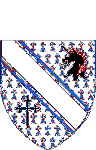


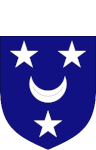


R1b1a1b1 - Etruscan Italy Monteriggioni Colle di Val d'Elsa (EV7A)Archaeological Identifier:EV7A 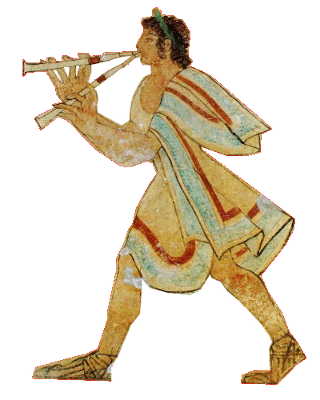
mtDNA: J2a1a1
Y-DNA: R1b1a1b1 (L23/PF6534/S141) ISOGG 2020
Royal Haplogroup: R1b1a1b1a2a
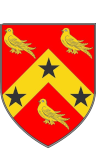
Clan Finney
Teag OFeinneadha (1603)
Thomas Phennah (1742)
Similar Y-DNA samples
Medieval Northern Spain Las Gobas: R1b1a1b1
Etruscan Italy Monteriggioni Colle di Val d'Elsa: R1b1a1b1
Etruscan Italy Monteriggioni Colle di Val d'Elsa: R1b1a1b1
Piceni Italic Tribe Novilara Iron Age Adriatic Coast Italy: R1b1a1b1
Piceni Italic Tribe Novilara Iron Age Adriatic Coast Italy: R1b1a1b1
Piceni Italic Tribe Novilara Iron Age Adriatic Coast Italy: R1b1a1b1
Scythian Nomadic Rich Grave Psiochyn Kharkiv: R1b1a1b1
Spanish Soldier Barcelona La Sagrera Camp Catalan Revolt: R1b1a1b1
Bronze Age Unetice Thuringia Leubingen Sommerda Germany: R1b1a1b1
Post Roman Empire Pannonia Hungary Hacs: R1b1a1b1
Early Bronze Age Bulgaria Boyanovo: R1b1a1b1
Bronze Age Bulgaria Tell Ezero: R1b1a1b1
Early Anglo Saxon Period Buckland Dover England: R1b1a1b1
Ancient Yamnaya Culture Donestk Ukraine: R1b1a1b1
Viking Age Karda Smaland Sweden: R1b1a1b1
Celto-Germanic Lombard: R1b1a1b1
Roman Outlier Lombard Grave: R1b1a1b1
Elite Celtic Burial Germany Magdalenenberg Villingen-Schweningen: R1b1a1b-
Elite Celtic Burial Germany Magdalenenberg Villingen-Schweningen: R1b1a1b-
Roman Era England Knobbs Farm Somersham: R1b1a1b-
R1b1a1b1a1a2 - Bronze Age Humanejos Parla Iberia (I6618)



















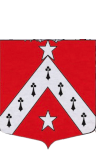
R1b1a1b1a1 - Bronze Age Cabezo Redondo Villena Valencia Spain (I3487)
Archaeological Identifier: I3487
In the rolling landscapes of Valencia, Spain, the Bronze Age whispers its secrets through the remains of an ancient individual buried roughly 3,650 years ago in the area known as Cabezo Redondo, near the town of Villena. This man, who lived and breathed in the sun-drenched terrains of the Iberian Peninsula, has offered scholars an extraordinary glimpse into a world long vanished.
A member of the enigmatic Bell Beaker culture known for their distinctive pottery, our ancient Iberian was interred with objects befitting his era. Among his grave goods lay a trove of artifacts that speak volumes about his society's craftsmanship and trade. Notable items found include ornate weaponry, indicative of his status perhaps a warrior or a person of some standing in his community. His people were artisans of metal, bone, and pottery, and traders who navigated vast networks that extended across Europe.
mtDNA: H1e1a
Y-DNA: R1b1a1b1a1 (P310/PF6546/S129) ISOGG 2020
Royal haplogroup: R1b1a1b1a1a2dMATCH! Subclade distance: 3
House de Medrano
Juan Martinez de Medrano y Aibar (1328)
Royal haplogroup: R1b1a1b1a1a2c
MATCH! Subclade distance: 3
Scottish Royalty
Robert II
Robert III
James I
James II
James III
James IV
James V
Royal haplogroup: R1b1a1b1a1a2c
MATCH! Subclade distance: 3
English Royalty
James I (1566-1625)
Charles I (1600-1649)
Charles II (1630-1685)
James II (1633-1701)
Royal haplogroup: R1b1a1b1a1a2
MATCH! Subclade distance: 2
Clan Armstrong
Lowland Scottish Clan Armstrong
Neil Armstrong
Royal haplogroup: R1b1a1b1a1a2
MATCH! Subclade distance: 2
House of Lippe Detmold
Bernhard I (1123)
Royal haplogroup: R1b1a1b1a1a2b
MATCH! Subclade distance: 3
Clan Donnachaidh
Donnachaidh Reamhar (1306)
Robert Riabhach Duncanson (1406)
Alexander Robertson (1645)
Royal haplogroup: R1b1a1b1a1a2b
MATCH! Subclade distance: 3
Clan Weir
Radulphus de Vere (1150)
Royal haplogroup: R1b1a1b1a1a2a
MATCH! Subclade distance: 3
Clan Gilchrist
Gilchrist MacNachtan (1246)
Royal haplogroup: R1b1a1b1a1a2a
MATCH! Subclade distance: 3
House Saint John
Lord of Uchel-olau (1436)
Royal haplogroup: R1b1a1b1a1a2a
MATCH! Subclade distance: 3
House of Grey
Anchetil de Greye (1052-1086)
Royal haplogroup: R1b1a1b1a1a2a
MATCH! Subclade distance: 3
Clan Dwyer
Dubhuir mac Spealain (183)
Royal haplogroup: R1b1a1b1a1a2a
MATCH! Subclade distance: 3
House Montagu
Robert Mountague of Boveney (1505-1575)
Sir Edward Montagu of Boughton Hall (1530-1602)
Royal haplogroup: R1b1a1b1a1a2a
MATCH! Subclade distance: 3
Clan Sutherland
Freskin of Flanders
William de Moravia (1210-1248)
Earl of Tullibardine (1606)
Earl of Atholl (1629)
Marquess of Atholl (1676)
Duke of Atholl (1703)
Royal haplogroup: R1b1a1b1a1a2a
MATCH! Subclade distance: 3
Clan Cathcart
Rainaldus de Kethcart (1178)
William de Cathcart (1296)
Alan Cathcart 4th Lord Cathcart (1568)
Royal haplogroup: R1b1a1b1a1a2a
MATCH! Subclade distance: 3
House Pacheco
Juan Fernandez Pacheco (1419-1474)
Franscisco Pacheco (1564-1644)
Royal haplogroup: R1b1a1b1a1a2a
MATCH! Subclade distance: 3
Clan Murray
Freskin of Flanders
William de Moravia (1210-1248)
Earl of Tullibardine (1606)
Earl of Atholl (1629)
Marquess of Atholl (1676)
Duke of Atholl (1703)
Royal haplogroup: R1b1a1b1a1a2a
MATCH! Subclade distance: 3
Clan Roxburghe
John Ker 1st Duke of Roxburghe (1680-1741)
Royal haplogroup: R1b1a1b1a1a2a
MATCH! Subclade distance: 3
Clan Ryan
Righin mac Dubhghall (1268)
Royal haplogroup: R1b1a1b1a1a2a
MATCH! Subclade distance: 3
House Venable
Gilbert de Venables (1040-1086)
Royal haplogroup: R1b1a1b1a1a1a
MATCH! Subclade distance: 3
Portuguese Royalty
Pedro V (1837-1861)
Luis I (1838-1889)
Carlos I (1863-1908)
Manuel II (1889-1932)
Royal haplogroup: R1b1a1b1a1a1a
MATCH! Subclade distance: 3
Bulgarian Royalty
Ferdinand I (1861-1948)
Boris III (1894-1943)
Simeon II (b. 1937)
Royal haplogroup: R1b1a1b1a1a1a
MATCH! Subclade distance: 3
Belgian Royalty
Leopold I (1790-1865)
Leopold II (1835-1909)
Albert I (1875-1934)
Leopold III (1901-1983)
Baldwin I (1930-1993)
Albert II (1934-)
Royal haplogroup: R1b1a1b1a1a1g
MATCH! Subclade distance: 3
Clan Paisley
William Passelewe (1190)
Royal haplogroup: R1b1a1b1a1a1b
MATCH! Subclade distance: 3
Clan MacThomas
Thomas Tomaidh Mor (1430)
Royal haplogroup: R1b1a1b1a1a4a
MATCH! Subclade distance: 3
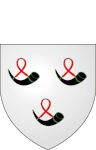
Clan Forrester
Sir John Forrester (1448)
I2a2a1b2 - Horserider Ilyatka Ukraine Bronze Age (ILK002)

mtDNA: ?
Y-DNA: I2a2a1b2 (BY45868) ISOGG 2020
Top 3 Tartans based on your Deep Dive Results
Longest shared SNP chain: 309.0
Total Shared SNPs: 1022.0
Closest Clan: Clan Montrose
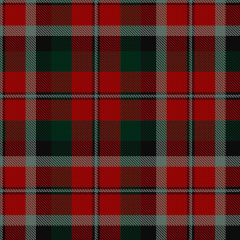
MATCH! Subclade distance: 4
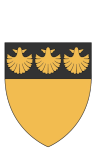
Mugdock Castle
Clan Montrose Motto: Virtutis gloria merces
The motto Virtutis gloria merces translates from Latin to Glory is the reward of valour or The reward of bravery is glory. It emphasizes the traditional value placed on courage and heroism within the clan.
The history of Clan Graham spans centuries, with its origins rooted in the Scottish borders. Traditionally, the Grahams have been associated with the Scottish lowlands, but their influence extended throughout Scotland. The clan gained prominence in the 16th and 17th centuries, particularly under James Graham, 1st Marquess of Montrose, who was a notable supporter of King Charles I during the civil war.
No Current Chief
Famous Battles: The Battle of Kilsyth (1645), The Battle of Inverlochy (1645), The Battle of Tippermuir (1644).James Graham 1st Marquess of Montrose (1612-1650)
James Grahamm 4th Duke of Montrose (1799-1874)
Deep Dive Match: Daunian Herdonia Apulian Foggia Italy (ORD014)
Longest shared SNP chain: 275.0Total Shared SNPs: 2448.0
Closest Clan: Clan Montgomery
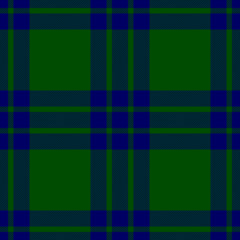
Delta: 13
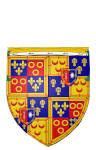
Eglinton Castle
Clan Montgomery Motto: Garde Bien
Garde Bien is French for Guard Well or Watch Well, which serves as a call for vigilance and protection, a reminder of the clan's history of guardianship and martial responsibility.
Clan Montgomery is a Scottish clan of Norman origin, and one of the oldest Scottish families, tracing its lineage back to the 12th century. The clan's historical seat is at Eglinton in Ayrspur, and they played a significant role in Scottish history. They were staunch supporters of the Bruce during the Wars of Scottish Independence and continued to be influential in both Scottish and British affairs throughout the centuries.
No Current Chief
Famous Battles: Battle of Otterburn (1388), Battle of Pinkie Cleugh (1547),
Earl of Eglinton (1508-present)
Earl of Winton (1859-present)
Deep Dive Match:
Neolithic Denmark Bog Skeleton Vissenbjerg Funen Neverker Mose (NEO594)
Total Shared SNPs: 830.0
Closest Clan: Clan Lindsay
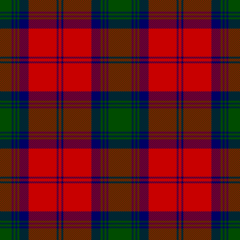
MATCH! Subclade distance: 9
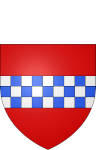
Crawford Castle
Clan Lindsay Motto: Endure Fort
Endure Fort is the motto of Clan Lindsay, essentially meaning Suffer Strongly or Endure Bravely. It encapsulates the enduring spirit and resilience of the clan, a call to withstand adversity with courage and strength.
Clan Lindsay has a rich history that originates in the Normandy region of France, from where they migrated to England and then to Scotland during the 12th century. The clan took a prominent role in the political and military sagas of Scotland, often involved in various feuds with neighboring clans. Additionally, the Lindsays have held various titles and lands throughout Scotland, contributing to the nation's history through their roles in the government, military, and cultural development.
Chief: Robert Alexander Lindsay
Famous Battles: The Battle of Arbroath (1445), The Battle of Brechin (1452), The Battle of Sauchieburn (1488).Sir Walter de Lindissie
Earl of Crawford (1398-present)
Earl of Lindsay (1633-present)
Earl of Balcarres (1651-present)
Top 3 Tartans based on your Sample MatchesSample
Match #1: Neolithic Romania Giurgiu Pietrele Magura Gorgana (PIE061)
Closest Clan: Clan Galloway
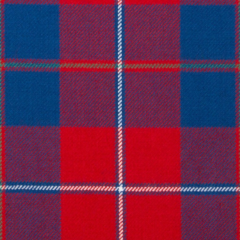
Delta: 4
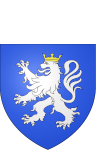
Threave Castle
Michael de Galewath (1230)
Sande Galowey (1495)
Patrick Galloway (1626)
Sample Match #5: Neolithic Denmark Jutland Bygholm Norremark (NEO564)
Closest Clan: Clan Lindsay
MATCH! Subclade distance: 9
Crawford Castle
Clan Lindsay Motto: Endure Fort
Endure Fort is the motto of Clan Lindsay, essentially meaning Suffer Strongly or Endure Bravely. It encapsulates the enduring spirit and resilience of the clan, a call to withstand adversity with courage and strength.
Clan Lindsay has a rich history that originates in the Normandy region of France, from where they migrated to England and then to Scotland during the 12th century. The clan took a prominent role in the political and military sagas of Scotland, often involved in various feuds with neighboring clans. Additionally, the Lindsays have held various titles and lands throughout Scotland, contributing to the nation's history through their roles in the government, military, and cultural development.
Chief: Robert Alexander Lindsay
Famous Battles: The Battle of Arbroath (1445), The Battle of Brechin (1452), The Battle of Sauchieburn (1488).Sir Walter de Lindissie
Earl of Crawford (1398-present)
Earl of Lindsay (1633-present)
Earl of Balcarres (1651-present)
Sample Match #6: Horserider Ilyatka Ukraine Bronze Age (ILK002)
Closest Clan: Clan Primrose
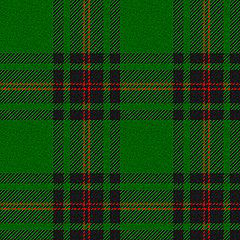
Delta: 7
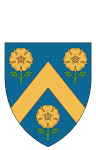
Dalmeny House
Clan Primrose Motto: Fide et Fiducia
** This Latin phrase translates to By Faith and Trust, conveying a philosophy of reliance upon and loyalty to one another, underlining the importance of a strong bond among clan members and their dependability both in personal relations and wider social responsibilities.
The Primrose family hails from Scotland, with their origins often traced to the 16th century, when the name Primrose first appeared in records. The clan rose to prominence with the creation of the Earldom of Rosebery in 1703. Their influence was particularly noted in British politics, with Archibald Primrose, 5th Earl of Rosebery, serving as Prime Minister of the United Kingdom in the late 19th century.
No Current ChiefHenry Primrose (1490)

.png)


No comments:
Post a Comment