http://secher.bernard.free.fr/blog/index.php?post/2021/08/11/Origine-génomique-des-Dauniens
Origin of genomic Dauniens
By Bernard Dry, Wednesday, August 11, 2021. Permanent link ancient DNA
The Mediterranean populations of the Iron Age, between 1100 and 600 av JC. lived at a time when the world was very connected. It is at this period that the concept of Mare Nostrum cosmopolitan, is developed by enhancing the dissemination of cultures, goods, languages, and technological progress. The most striking examples are the Greek colonies and Phoenician, which extends into western Europe from the 9th and 8th centuries bc JC. The Italian peninsula and its islands Thyréniennes participated greatly in this process by hosting many colonies on its coast. Many communities appear at this time, each characterized by a culture and an identity specific. They were subsequently assimilated and integrated into the Roman colonization. The transition from the Republic to the Roman Empire with the inclusion of foreign civilizations has shown that it is accompanied by a flow of genes oriental important in Central Italy.
Despite the existence of many written records and archaeological discoveries, the origin of the different populations of the Iron Age of the Italian peninsula, often remains unclear. The Dauniens, a population of the north of Apulia, are mentioned for the first time in the 7th and 6th centuries bc JC. in ancient Greek writings. The archaeological remains of this population consist mainly of a type of stele is unique and ceramics. They were mainly farmers, ranchers, horsemen, and of the seafaring merchants who traded mainly with the tribes Illyrian. One of the characteristics of this population is its resistance to foreign influences, including Greek culture until the arrival of the romans in the late 4th and early 3rd century bc JC. Their origin has remained obscure.
These ancient individuals belong to the mitochondrial haplogroups: H1, H5, K1 and U5, and haplogroups of the Y chromosome: R1b-P312, I1-M253, I2d-M223 and J2b-M241. R1b is the haplogroup was the most common in the Bronze Age in Italy. I2d is the haplogroup was the most common in western Europe before the Bronze Age. J2b also appears in the Bronze Age in this region. I1 is found only in individuals of Middle Age. Common in Northern Europe, he arrived in the region with the Lombards in the 6th century ad. JC.
The authors have identified a pair of individuals: two women connected to the first degree, the elderly, the death of 10 and 42 years. They have the same haplogroup mitochondrial H5c. This is a mother and her daughter.
The authors then performed a Principal Component Analysis. In the figure below the former Dauniens are divided between the Italian mainland (blue disks), and the former Sardinian (symbols of the empty yellow). In contrast to other European populations of the Iron Age, which group together with the current population of the same region, the former Dauniens are far apart genetically Apuliens current drives (dark blue):

Dark Ages Italy South Tyrol Malles Burgusio Santo Stefano 450 AD 2418
mtDNA: H
38 SNP chains (min. 60 SNPs) / 428.01 cM
Largest chain: 283 SNPs / 33.29 cM

You are #1 among 90 other users who also have a deep dive match with this sample. This makes your relationship to this individual very unique. Full research for this sample is activated for you regardless of your access level. Touch the info button for more information.
Daunian Herdonia Apulian Foggia Italy 500 BC
ORD014
mtDNA: I5a2+16086CShared DNA: (Sample Quality: 8)
16 SNP chains (min. 60.0 SNPs) / 596.97 cM
Largest chain: 275 SNPs / 59.34 cM
In the undulating landscapes of ancient Italy, the earth cradles the echoes of a bygone era, where the Daunian people of Apulia thrived until their stories merged with the sands of time. Near the ruins of Herdonia, in what is now modern-day Foggia, a significant discovery was made illuminating the life and death of an individual from around 500 BC.
This ancient soul, a male belonging to a lineage that threads back to the storied tapestry of the Mediterranean, carried with him the genetic whispers of his ancestors, encapsulated in his Y-chromosomal haplogroup J2b2a1 and mitochondrial haplogroup I5a2+16086C. These genetic markers are emblematic of the rich complexity of human migration and interaction within this cradle of civilization.
Surrounded by the remnants of his material world, this man was found in repose, attended by artifacts that narrate a tale of the cultural milieu of his time. His tomb provided an intimate glimpse into the Daunian funerary customs, featuring distinctive pottery known for its geometric patterns and stylized designsa testament to their artistry in Apulian ceramics.
Among the grave goods, painted vases stood out, decorated with intricate figures that may represent mythological scenes or everyday life, allowing us to ponder the beliefs and practices that shaped their perceptions of the afterlife. These vessels were not mere containers but narrators of the connections between the living and the dead, the human and the divine.
mtDNA: I5a2+16086C
Y-DNA: J2b2a1 (L283) ISOGG 2020
Similiar Y-DNA samples
Roman Pompeii Vesuvius Victim House of the Cryptoporticus: J2b2a1
Late Imperial Roman Serbia Timacum Kuline Ravna Village: J2b2a1
Goth Maslomecz: J2b2a1
Post Roman Empire Pannonia Hungary Hacs: J2b2a1
Bronze Age Croatia Cetina Valley: J2b2a1
Bronze Age Croatia Cetina Valley: J2b2a1
Iron Age Hillfort Croatia Kriz Brdovecki Sava Valley: J2b2a1
Ancient Illyrian Albania Cinamak Kukes District: J2b2a1
Iron Age Croatia Velim-Kosa: J2b2a1
Early Medieval Venosa Italy: J2b2a1
Casenovole Etruscan Iron Age Italy: J2b2a1
Early Medieval Venosa Italy: J2b2a1
Post Medieval Plague Victim Ellwangen Germany: J2b2a1
Post Medieval Plague Victim Ellwangen Germany: J2b2a1
Nuragic Interior Sardinia: J2b2a1
Late Medieval Livonia: J2b2a1
Pre Illyrian Bronze Age Croatia Bezdanjaca Cave: J2b2a-
Iron Age Albania Cinamak Kukes District: J2b2a-
Daunian Salapia Apulian Foggia Italy: J2b2a-
Daunian Salapia Apulian Foggia Italy: J2b2a-
Closest Modern;
1. Southwest_French (14.20)
2. Spanish_Cantabria (14.62)
3. Spanish_Andalucia (14.72)
4. Spanish_Aragon (15.44)
5. Spanish_Valencia (15.52)
6. Spanish_Castilla_La_Mancha (16.05)
7. Spanish_Castilla_Y_Leon (16.25)
8. Spanish_Cataluna (16.84)
Closest Ancient;
Daunii (Genetic match)
Deep Dive Matches
These matches are your ancient relatives with whom you share actual DNA Segments!
Here we match your DNA directly to ancient DNA at the chromosome level. The bars below represent Chromosomes (1-22) where you and the ancient sample share the same SNPs (genetic markers) with the same alleles (values) for a given chain. The more segments and longer the chains, the greater mathematical confidence exists of shared ancestry.
Higher quality samples from the Medieval Age might share chains of 500 SNPs. Low quality samples from the Bronze Age might share 100 SNPs
Note: Centimorgans (cM) is a way of measuring the confidence of the connection, largely based on the SNP chain lengths. As a general rule, adjusting the SNP length is the recommended way to validate a strong connection to a given sample.
You are the #1 top match to this sample!
You are #1 among 151 other users who also have a deep dive match with this sample. This makes your relationship to this individual very unique. Full research for this sample is activated for you regardless of your access level. Touch the info button for more information.
Your closest Ancient populations with Focus on Italic Tribess...
Your DNA matches these ancient populations based on real archaeological samples from over 162 Ancient Civilizations. Touch the buttons below to learn more about them
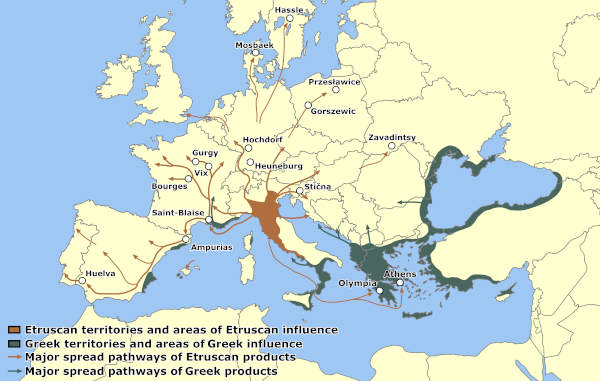
The Etruscan civilization was highly advanced and developed in Italy around 900 BC and their homeland was called Etruria. They would call themselves Rasenna, Greeks would refer to them as Tyrrhenians, Romans as the Tusci. Herodotus claims they were migrants from western Anatolia whereas Hellanicus of Lesbos claimed they hailed from Thessaly. Etruscan culture was very similiar to Magna Graecia in the south, although considerably more aristocratic. Their mining of copper and iron led to an enrichment of the Etruscans and an expansion of their influence in Italy and the western Mediterranean Sea. The Etruscans allied themselves with Carthage in an attempt to control trade and gain influence. By the 4th century, Etruria was dealing with Gallic invasions from the north and Rome annexing its cities to the south. The Roman-Etruscan wars would bring its final defeat as the Etruscans assimilated fully into the Roman Republic.
The Sequani were a Gallo-Celtic tribe that thrived in eastern Gaul, in an area now part of modern-day France and Switzerland, during the late Iron Age. Renowned for their strategic mastery of the regions river valleys, including the vital artery of the Doubs River, their land was a nexus of rich trade routes that attracted commerce and cultural exchange. Notably, they were participants in the epic struggle against Rome during the Gallic Wars, aligning with other tribes under the leadership of the iconic Vercingetorix. Their capital, Vesontio, now Besancon, was a formidable stronghold that famously resisted Julius Caesar in 58 BC, though it eventually fell to Roman domination. The Sequani were also known for their distinctive art and craftsmanship, particularly in metalwork, which displayed intricate designs and high skill, reflecting their complex spiritual beliefs and social hierarchy. Despite their eventual integration into the Roman Empire, the legacy of the Sequani lingers in the archaeological remnants and cultural heritage of the region, showcasing their enduring influence
Legend has it that after the destruction of Troy in 1184 BC, the Trojan survivor Aeneas landed on the shores of Latium, a small triangle of fertile volcanic soil located in central western Italy in which Rome would be founded. Near the mouth of the river Tiber, Aeneas and his Trojan army were confronted by King Latinus of the local Italic tribe. Latinus was defeated and accepted Aeneas as his new ally. Aeneas married his daughter Lavinia and founded the city of Lavinium on the Italian coast. Their son Scanius founded a new city Alba Longa in the Alban Hills which became the Latin capital city. The neighboring Etruscans allied with the Rutuli King Turnus attacked the Latins/Trojans but were repelled concluding in the river Tiber becoming the common boundary between the Etruscans and the Latins. Romulus, born in Alba Longa, founded Rome in 753 BC and became the first king of this new capital. The Etruscans decided to suppress Rome as a future threat and a series of wars ensued which ultimately led to the demise of the Etruscans. By 509 BC, the Roman monarchy was overthrown leading to the creation of the Roman Republic.
The Samnites were a powerful nation of indo european hill peoples who dominated the southern part of Italy. They consisted of four tribes - the Hirpini, Caudini, Caraceni and Pentri. They were ferocious in combat and offered fierce resistance to Rome in 3 different wars. At the Battle of the Caldine Forks, the Samnites delivered a humilating defeat to the Romans who were ill equipped to fight in the mountainous terrain. As a result the Romans were forced to abandon the Hoplite Legion to which they had adapted from the Etruscans - thus the creation of the Manipular Legion which was versatile and allowed adapation to different terrains. Furthermore the Romans realized the importance to extend careers for soldiers as considerable time was now required to train them. In 290 BC, the Samnites had finally been conquered and adapted into a new territory under the Roman Republic. The popular Roman gladiator class Samnite was later named after these people of Samnium.
Etruscan + Sequani (8.178)
Etruscan + Iberian (9.043)
Sequani + Latin (9.248)
Etruscan + Latin (9.253)
Etruscan + Daunii (9.524)
Etruscan + Piceni (9.693)
Etruscan + Rhaeti (9.959)
Daunii + Iberian (10.27)
Daunii + Latin (10.63)
Daunii + Piceni (10.86)
Latin + Piceni (11.16)
Sequani + Iberian (11.36)
Latin + Iberian (11.38)
Sequani + Daunii (11.46)
Sequani + Piceni (11.54)
Etruscan + Heneti (11.68)
Sequani + Rhaeti (11.94)
Etruscan + Ligurian (12.09)
Latin + Rhaeti (12.1)
Sequani + Heneti (12.11)
Sequani (12.33)
Sequani + Ligurian (12.44)
Daunii + Rhaeti (12.52)
Iberian + Rhaeti (12.8)
Piceni + Rhaeti (12.84)
Daunii (12.98)
Iberian + Heneti (13.05)
Iberian + Piceni (13.17)
Latin (13.2)
Iberian + Ligurian (13.28)
Daunii + Heneti (13.35)
Iberian (13.52)
Rhaeti (13.58)
Daunii + Ligurian (13.59)
Piceni + Heneti (13.67)
Ligurian + Piceni (13.88)
Piceni (14.6)
Latin + Heneti (14.6)
Heneti + Rhaeti (14.62)
Ligurian + Rhaeti (15.25)
Latin + Ligurian (16.13)
Heneti (16.77)
Latin + Samnite (17.23)
Ligurian + Heneti (17.62)
Iberian + Samnite (17.89)
Etruscan + Samnite (18.04)
Ligurian (19.19)
Ligurian + Samnite (19.5)
Piceni + Samnite (19.6)
Sequani + Samnite (20.0)

Kit: Dark Ages Italy South Tyrol Malles Burgusio Santo Stefano (2429_82)
Kit: Dark Ages Italy South Tyrol Malles Burgusio Santo Stefano (2418_105)
Dark Ages Italy South Tyrol Malles Burgusio Santo Stefano 450 AD 2429
mtDNA: J2a1a1a
Shared DNA: (Sample Quality: 3)
20 SNP chains (min. 60 SNPs) / 1458.99 cM
Largest chain: 770 SNPs / 119.64 cM
You are the #1 top match to this sample!
You are #1 among a select few users who also have a deep dive match with this sample. This makes your relationship to this individual very unique. Full research for this sample is activated for you regardless of your access level. Touch the info button for more information.


Top Tartans based on your direct Y-DNA (R1b1a1b1a1a2)
Clan Armstrong
Haplogroup: R1b1a1b1a1a2
MATCH! Subclade distance: 0

Clan Armstrong Motto: Invictus maneo
I remain unvanquished
The Armstrong clan is a Scottish border clan with a notorious reputation. They flourished in the border regions between England and Scotland, an area known for reiving (cattle raiding) and skirmishes. Through the 16th century, the Armstrongs became one of the most powerful and feared families in the Borders, but their power led to their eventual downfall when they were targeted by both English and Scottish authorities.
No Current Chief
Famous Battles: Battle of Flodden (1513), Battle of Solway Moss (1542)Spotlight Ancestors: Lowland Scottish Clan Armstrong
Neil Armstrong
Clan Donnachaidh
Haplogroup: R1b1a1b1a1a2b
MATCH! Subclade distance: 1

Dunalastair Estate
Clan Donnachaidh Motto: Virtutis gloria merces
Glory is the reward of valor this is the motto of Clan Donnachaidh, emphasizing the importance of bravery and honor in the clan's values, a reflection of their warrior past and the glory that comes with acts of courage and noble deeds.
Clan Donnachaidh, also known as Clan Robertson, is a Highland Scottish clan that originated in the central part of Scotland. Traditionally, the clan is considered to have been one of the first to rise to the cause of Robert the Bruce during the Wars of Scottish Independence. Throughout history, the Donnachaidh clan has been respected for their steadfast loyalty to the Scottish Crown.
Chief: Gilbert Robertson of Struan
Famous Battles: Battle of Bannockburn (1314), Battle of Flodden (1513), Battle of Culloden (1746)Spotlight Ancestors: Donnachaidh Reamhar (1306)
Robert Riabhach Duncanson (1406)
Alexander Robertson (1645)
Clan Sutherland
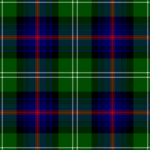
Haplogroup: R1b1a1b1a1a2a
MATCH! Subclade distance: 1

Dunrobin Castle
Clan Sutherland Motto: Sans Peur
The motto of Clan Sutherland, Sans Peur, translates from French to Without Fear in English, encapsulating the clan's ethos of bravery and courage in the face of adversity.
The Sutherlands are one of the seven clans of Siol Alpin, said to be descended from the ancient Earls of Sutherland. The clan's roots trace back to the Norse-Gaelic nobility of Scotland, with the Sutherland name originating from the Norse for southerly lands. Over the centuries, Clan Sutherland played significant roles in Scottish history, including conflicts like the Battle of Dunbar and as supporters of the Crown during the Jacobite uprisings.
No Current Chief
Famous Battles: Battle of Dunbar (1296), Battle of Halidon Hill (1333), Battle of Bannockburn (1314), Wars of Scottish Independence, Battle of Drumossie (The Battle of Culloden, 1746).Spotlight Ancestors: Freskin of Flanders
William de Moravia (1210-1248)
Earl of Tullibardine (1606)
Earl of Atholl (1629)
Marquess of Atholl (1676)
Duke of Atholl (1703)
Clan Cathcart
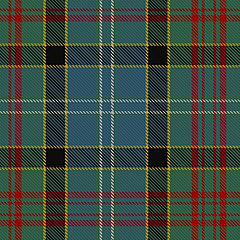
Haplogroup: R1b1a1b1a1a2a
MATCH! Subclade distance: 1

Cathcart Castle
Clan Cathcart Motto: I am grip fast
The motto of Clan Cathcart alludes to steadfastness and resolve, suggesting that the members of the clan are firm in their commitments and loyal in their allegiances. It speaks to the idea of holding on tightly and not letting go, indicative of determination and tenacity in the face of adversity.
Clan Cathcart is a Scottish Lowland clan with roots tracing back to the 12th century. The name is derived from the lands of Cathcart near Glasgow. The clan has a long military tradition, with members taking part in numerous historical battles and engaging in politics.
No Current ChiefSpotlight Ancestors: Rainaldus de Kethcart (1178)
William de Cathcart (1296)
Alan Cathcart 4th Lord Cathcart (1568)
Clan Murray
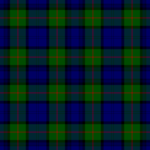
Haplogroup: R1b1a1b1a1a2a
MATCH! Subclade distance: 1

Bothwell Castle
Spotlight Ancestors: Freskin of Flanders
William de Moravia (1210-1248)
Earl of Tullibardine (1606)
Earl of Atholl (1629)
Marquess of Atholl (1676)
Duke of Atholl (1703)
Clan Roxburghe
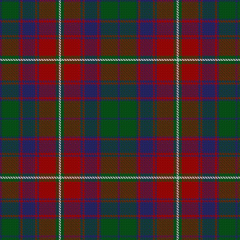
Haplogroup: R1b1a1b1a1a2a
MATCH! Subclade distance: 1
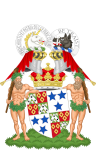
Floors Castle
Clan Roxburghe Motto: Fidus et Audax
Faithful and Bold is the Roxburghe clan motto, emphasizing the values of loyalty and courage that were vitally important to the chieftainship and membership of Scottish clans. The sentiment conveyed by this motto would have been a guiding principle for the clan's actions and their reputation in battle and in Scottish society.
Clan Roxburghe is a Scottish clan of noble stock, associated with the Borders region of Scotland. Originally of Norman descent, the family rose to prominence in Scotland under the name of Ker and received their earldom in the early 17th century. The title of Duke of Roxburghe was created in 1707, elevating the clan's status further within the peerage of Scotland and, thereafter, Great Britain.
No Current Chief
Famous Battles: The Battle of Flodden (1513), The Civil War (17th century), The Jacobite Rising (1715).Spotlight Ancestors: John Ker 1st Duke of Roxburghe (1680-1741)
Clan Grant
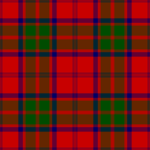
Haplogroup: R1b1a1b1a1a2e1
MATCH! Subclade distance: 2

Castle Grant
Clan Grant Motto: Stand Fast Craig Elachie
The motto of Clan Grant is believed to reflect the clan's resolve and steadfastness, possibly in reference to their rallying point, Craig Elachie, a prominent rock that overlooks the village of Aviemore in the Highlands.
The Grants are a historic Scottish clan with roots deep in the Highlands, particularly in Strathspey. They are believed to be descended from the Anglo-Norman knights of the 12th and 13th centuries and solidified their power through strategic marriages and loyalties to the Scottish Crown. The clan expanded its influence and lands during the 14th and 15th centuries and played pivotal roles in the Jacobite uprisings without facing the ruin that befell other clans.
No Current Chief
Famous Battles: The Battle of Glenlivet (1594), The Jacobite Rising of 1715, The Jacobite Rising of 1745Spotlight Ancestors: Duncan Grant of Freuchie (1413-1485)
Earls of Seafield (1701-present)
Barons Strathspey (1858-present)
Clan Strange
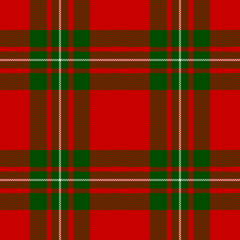
Haplogroup: R1b1a1b1a1a2b2
MATCH! Subclade distance: 2

Castlestrange House
Clan Strange Motto: Tenez Le Droit
This French phrase translates to Hold the Right in English, suggesting a commitment to justice, integrity, and possibly a call to uphold one's rightful claims or responsibilities.
Clan Strange, also known as the Strangs or Stranges, is a Lowland Scottish clan of uncertain origins. Often they are considered to be a sept (a branch) of the major Scottish clans rather than a distinct clan with fully documented lineage and heraldry. Their history, shrouded in the mists of time, has long intrigued historians and genealogists, with records sparse and often anecdotal.
No Current ChiefSpotlight Ancestors: Home le Estraunge (1255)
Thomas de Strang (1340)
Clan Erskine
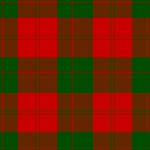
Haplogroup: R1b1a1b1a1a2b2
MATCH! Subclade distance: 2

Alloa Tower
Clan Erskine Motto: Je pense plus
I think more
The Erskines are an ancient Scottish clan with roots in the Earldom of Mar, one of the oldest peerages in Scotland. The family name is believed to derive from the Barony of Erskine in Renfrewshire, where they held lands since at least the 13th century. Through their history, the Erskines have been closely tied to the Scottish crown, serving as guardians of the royal children and holding various high offices.
No Current Chief
Famous Battles: Battle of Flodden (1513), Battle of Pinkie Cleugh (1547), Battle of Killiecrankie (1689), Battle of Sheriffmuir (1715).Spotlight Ancestors: John Erskine 19th Earl of Mar (1558-1634)
Clan Henderson
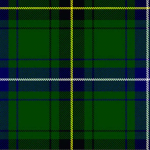
Haplogroup: R1b1a1b1a1a2a7
MATCH! Subclade distance: 2
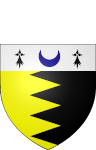
Fordell Castle
Clan Henderson Motto: Sola Virtus Nobilitat
This Latin motto translates to Virtue Alone Ennobles. It emphasizes that true nobility and honor come not from birth or wealth, but from one's virtuous actions and character.
The Hendersons are a Scottish clan with roots in the Border region and the Highlands. The name is derived from Henry's son, with Hendry being a popular medieval Scots form of Henry. Although the clan does not have its own chief recognized by the Lord Lyon King of Arms, the Hendersons of Fordell line represent the leadership of the clan and actively participate in cultural preservation and clan events.
Chief: Alistair Henderson of Fordell
Famous Battles: The Battle of Flodden (1513), where the Hendersons may have fought as part of the Scottish forces; the Battle of Pinkie Cleugh (1547), where Scottish clans, potentially including Hendersons, fought against the English.Spotlight Ancestors: James Henderson (1494)
Alexander Henderson (1583-1643)
Clan MacAulay
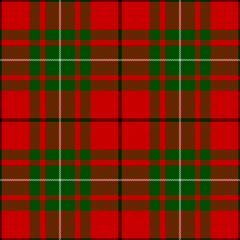
Haplogroup: R1b1a1b1a1a2a6
MATCH! Subclade distance: 2

Ardencaple Castle
Clan MacAulay Motto: Dulce Periculum
The motto of Clan MacAulay translates to Danger is Sweet or Pleasure in Danger from Latin. It suggests a valorous spirit among the clan members, highlighting their readiness to embrace risk and danger, possibly reflecting their history as warriors or their attitude towards the challenges they faced.
The Clan MacAulay has origins that are open to interpretation, with some histories suggesting they are of Scottish Gaelic origin and closely associated with the Clan Gregor and the MacGregors. The two main branches of the clan are the MacAulays of Ardincaple in Dunbartonshire and the MacAulays of the Isle of Lewis. Conflict and rivalry with other clans, and their eventual decline, led to the loss of their lands and the dispersal of many members.
Chief: Hector MacAulaySpotlight Ancestors: Kenneth MacAlpin King of the Picts (843-858)
Clan Baillie
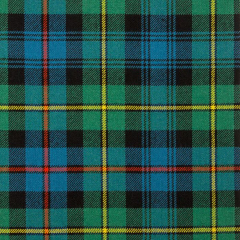
Haplogroup: R1b1a1b1a1a2a4
MATCH! Subclade distance: 2
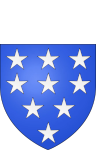
Redcastle
Clan Baillie Motto: Qvocunque Jeceris Stabit
This Latin motto translates to Wherever you throw it, it will stand, and is a declaration of resilience and steadfastness, which can be seen as symbolizing the Clan's ability to endure and thrive no matter the circumstances.
Clan Baillie is a Scottish clan of Norman origin, which originally settled in the Scottish Lowlands during the 12th and 13th centuries. The Baillies established themselves in Lanarkshire and later spread across other parts of Scotland. Notable for their influence in politics, law, and the military, the Baillies played significant roles throughout Scottish history.
No Current Chief
Famous Battles: The Battle of Redeswire (1575), the Battle of Bothwell Bridge (1679), the Jacobite Rising (1715) and (1745)Spotlight Ancestors: George Baillie (1664-1738)
Lady Grisell Baillie (1665-1746)
Clan Hay
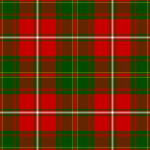
Haplogroup: R1b1a1b1a1a2b1
MATCH! Subclade distance: 2

New Slains Castle
Clan Hay Motto: Serva Jugum
The motto of Clan Hay translates from Latin as Keep the Yoke, which can be interpreted to mean Bear the Burden or Maintain the Bond. It symbolizes the clan's commitment to their chief and to each other, reflecting a sense of duty and loyalty to uphold their mutual responsibilities and support.
The history of Clan Hay dates back to the 12th century; they claim descent from the Norman family de la Haye. They gained prominence in Scotland through the marriage of William de Haya to a daughter of the King of Scots in the early 13th century. Clan Hay played significant roles in many of Scotland's historical events, including their involvement in the Scottish Wars of Independence and subsequently in the Jacobite uprisings.
No Current Chief
Famous Battles: The Battle of Largs (1263), The Battle of Bannockburn (1314), The Battle of Harlaw (1411), The Battle of Pinkie Cleugh (1547).Spotlight Ancestors: William II de Haya (1160)
Clan Paisley
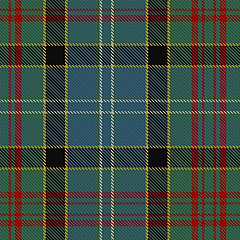
Haplogroup: R1b1a1b1a1a1g
Delta: 2

Paisley Abbey
Clan Paisley Motto: Keep Thistle
The motto Keep Thistle likely invokes the symbolism of the thistle, which is a national emblem of Scotland, signifying defense and protection. It suggests the Paisley clan values resilience and tenacity, much like the hardy thistle plant.
The history of Clan Paisley could hypothetically be connected to the town of Paisley in Renfrewshire, known for the famous Paisley pattern and shawls. It became an important site for the weaving industry during the 19th century. Any familial lines that might have adopted 'Paisley' as a surname could have roots in this area, though not forming a clan in the traditional sense.
No Current ChiefSpotlight Ancestors: William Passelewe (1190)
Clan MacThomas
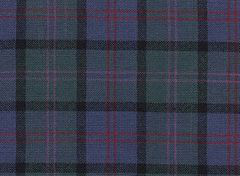
Haplogroup: R1b1a1b1a1a1b
Delta: 2

Clach na Coileach
Clan MacThomas Motto: Deo Juvante Invidiam Superabo
With Gods help I will overcome envy
Clan MacThomas was formed in the 15th century by Thomas, who was a grandson of the Clan Chattan Mackintosh chief William. The clan settled in an area of Glenshee, which became known as the Thom(p)son country. In the 18th century, the clan dispersed due to the Highland Clearances and economic necessity, with many members emigrating to other parts of Scotland, as well as further afield to countries such as the USA, Canada, Australia, and New Zealand.
Chief: Andrew MacThomas of FinegandSpotlight Ancestors: Thomas Tomaidh Mor (1430)
Clan Forrester
Haplogroup: R1b1a1b1a1a4a
Delta: 2
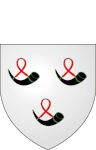
Corstorphine Castle
Clan Forrester Motto: Blaw, Hunter, Blaw Thy Horn
This motto encourages the action of blowing the hunting horn, indicative of the Forrester's connections with forestry and hunting
Clan Forrester is a Scottish clan that originated in the 12th century with a royal grant of the forest in the area of Torwood in Stirlingshire. The Forresters were largely engaged in managing the woods and forests of the area, and they were counted among the nobility as they provided this service to the Scottish monarchs. Some of the prominent Forresters also played roles in Scottish national history, such as Sir Duncan Forrester of Garden, who was Comptroller of Scotland in 1493.
No Current Chief
Famous Battles: The Battle of Pinkie Cleugh (1547), where Forresters were part of the Scottish army.Spotlight Ancestors: Sir John Forrester (1448)
Top 3 Tartans based on your Deep Dive Results
Top 3 Tartans based on your Sample MatchesSample Match #13: Celtic Hungary Gyor-Moson-Sopron Kophaza-Szeles (I18832)
Closest Clan: Clan Kirkpatrick
Haplogroup: E1b1b1a1b1a14a
MATCH! Subclade distance: 4
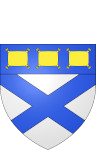
Closeburn Castle
Clan Kirkpatrick Motto: I mak sikkar
This motto, in Scots, translates as I make sure or I make certain, embodying a spirit of determination and resolve, alluding to the clan's history as dependable and steadfast warriors or perhaps to a specific historical event that cemented their reputation for such surety.
Clan Kirkpatrick is a Scottish clan from the region of Dumfriesshire. The name is derived from the church of Saint Patrick in the village of Kirkpatrick-Fleming. The clan gained prominence in the 14th century when a member, Sir Roger Kirkpatrick, was involved in the killing of Red Comyn alongside Robert the Bruce, an event that significantly bolstered Bruce's claim to the Scottish throne.
No Current ChiefSir Roger Kirkpatrick (1357)
Sample Match #18: Medieval England Cambridge St Johns Hospital (ATP_PSN_231)
Closest Clan: Clan Montrose
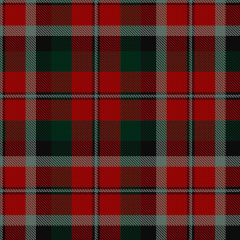
Haplogroup: I1a4a
MATCH! Subclade distance: 4
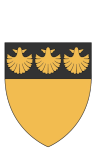
Mugdock Castle
Clan Montrose Motto: Virtutis gloria merces
The motto Virtutis gloria merces translates from Latin to Glory is the reward of valour or The reward of bravery is glory. It emphasizes the traditional value placed on courage and heroism within the clan.
The history of Clan Graham spans centuries, with its origins rooted in the Scottish borders. Traditionally, the Grahams have been associated with the Scottish lowlands, but their influence extended throughout Scotland. The clan gained prominence in the 16th and 17th centuries, particularly under James Graham, 1st Marquess of Montrose, who was a notable supporter of King Charles I during the civil war.
No Current Chief
Famous Battles: The Battle of Kilsyth (1645), The Battle of Inverlochy (1645), The Battle of Tippermuir (1644).James Graham 1st Marquess of Montrose (1612-1650)
James Grahamm 4th Duke of Montrose (1799-1874)
Sample Match #21: Hungarian Conqueror Outlier (K2per6)
Closest Clan: Clan Kirkpatrick
Haplogroup: E1b1b1a1b1a14a
MATCH! Subclade distance: 3
Closeburn Castle
Clan Kirkpatrick Motto: I mak sikkar
This motto, in Scots, translates as I make sure or I make certain, embodying a spirit of determination and resolve, alluding to the clan's history as dependable and steadfast warriors or perhaps to a specific historical event that cemented their reputation for such surety.
Clan Kirkpatrick is a Scottish clan from the region of Dumfriesshire. The name is derived from the church of Saint Patrick in the village of Kirkpatrick-Fleming. The clan gained prominence in the 14th century when a member, Sir Roger Kirkpatrick, was involved in the killing of Red Comyn alongside Robert the Bruce, an event that significantly bolstered Bruce's claim to the Scottish throne.
No Current ChiefSir Roger Kirkpatrick (1357)
What is my Deep Dive Breakdown?
Your share DNA segments with your Deep Dive matches. This chart represents a union of all your deep dive matches weighted per total SNPs you share and their own individual classification. The displayed result is your personalized Deep Dive breakdown.


.png)


No comments:
Post a Comment